Blog · Prediction markets
Best Prediction Markets in the US: 2026 Guide
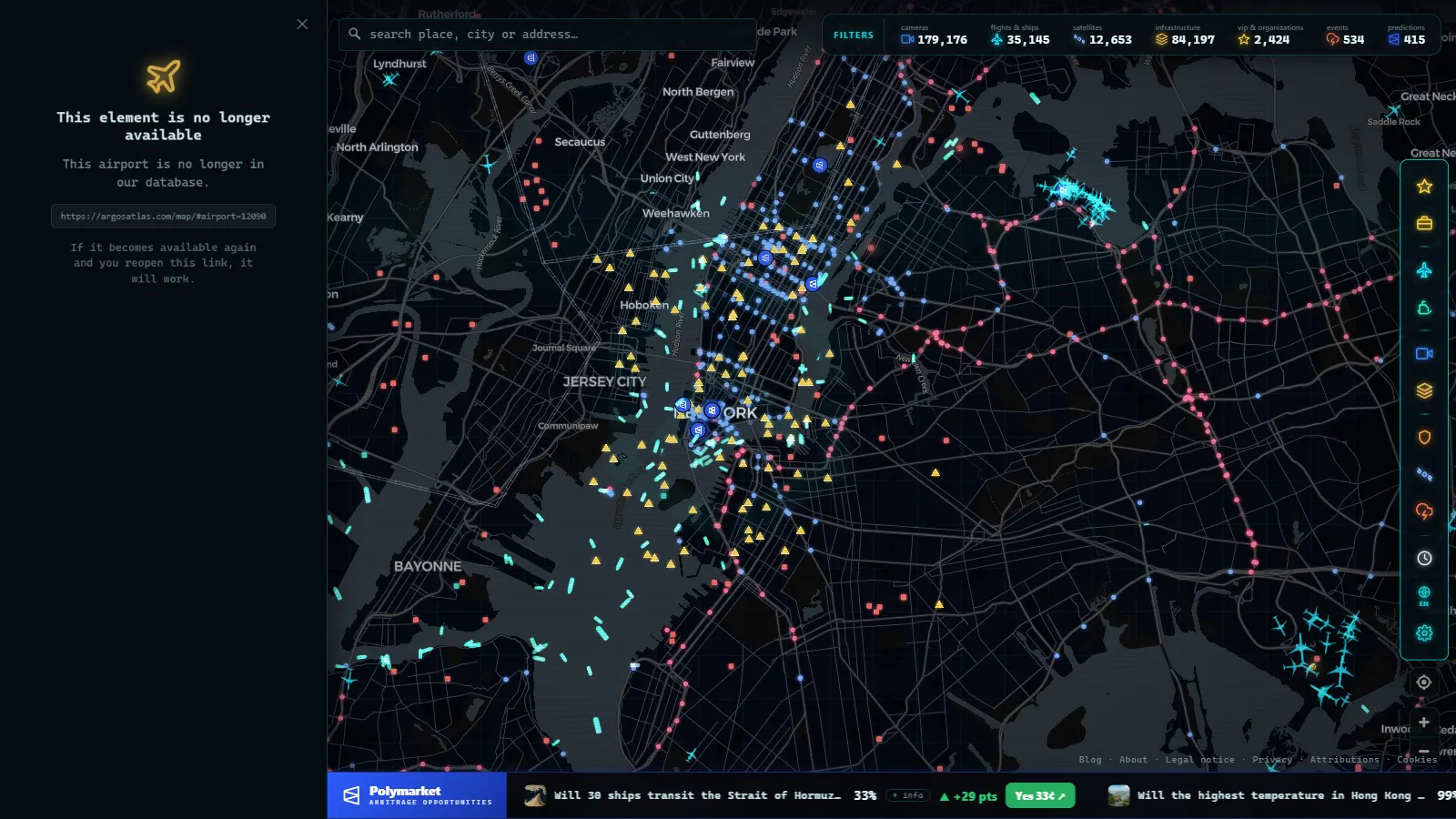
In the US, the best prediction markets offer liquidity, a variety of events, and a clear operational framework, though regulation is a key factor limiting availability. Platforms like Polymarket stand out for their decentralized model, while other centralized options operate under specific licenses. Your choice depends on your risk tolerance and familiarity with cryptocurrencies.
What Are Prediction Markets and How Do They Work in the US?
Prediction markets are platforms where users trade on the outcome of future events. They function similarly to stock exchanges, where 'shares' representing the probability of an event occurring are bought and sold. The price of these shares fluctuates based on supply and demand, reflecting the implicit probability the market assigns to each outcome. To dive deeper, you can read what prediction markets are and why they've been accurate for decades.
In the US, the operation of these markets is subject to significant regulatory scrutiny. The Commodity Futures Trading Commission (CFTC) and other agencies may consider these markets as futures contracts or gambling, which imposes restrictions. This has led many platforms to limit access to residents of certain states or require specific licenses.
Prediction Market Platforms Available in the US
The offering of prediction markets in the US is more limited than in other regions due to regulatory complexities. However, there are options that operate with different models:
Polymarket: The Decentralized Option
Polymarket is one of the most well-known and active platforms globally, and it's also accessible in the US. It distinguishes itself as a decentralized prediction market, built on the Polygon blockchain. This means transactions are conducted transparently without a central intermediary directly holding funds. Users trade with USDC, a stablecoin pegged to the US dollar.
Its decentralized model allows it to offer a wide range of markets on politics, technology, culture, and global events, often with greater liquidity than other options. However, its decentralized nature also means it operates in a regulatory gray area in the US, which has led to certain restrictions in the past. It's crucial to understand how Polymarket works before trading.
Other Centralized Platforms (with Limitations)
Historically, platforms like PredictIt operated under a CFTC exemption for academic research purposes. However, such exemptions are temporary and can be revoked, highlighting the volatility of the regulatory landscape. Other centralized platforms may operate with sports betting or futures licenses but typically have a more limited scope regarding event types and geographical availability within the US.
The key for these platforms is their compliance with state and federal laws, which often translates into geographical restrictions and stricter Know Your Customer (KYC) identity verification requirements.
Key Factors When Choosing a Prediction Market in the US
When looking for the best prediction markets in the US, consider these points:
- Regulation and Accessibility: Verify if the platform is legally accessible from your state. Regulation is the most restrictive factor in the US. You can check is Polymarket legal? for more details.
- Liquidity: Higher liquidity means you can enter and exit positions more easily and with less price slippage. Markets with low liquidity can be difficult to trade.
- Market Variety: Does the platform offer the types of events you're interested in? From elections to tech events, diversity is important.
- Fees: Understand the fee structure for trading, depositing, and withdrawing funds. These can significantly reduce your profits. See Polymarket fees.
- User Interface: An intuitive and easy-to-use platform enhances the experience, especially for beginners.
- Security: Ensure the platform has robust security measures to protect your funds and data. In Polymarket's case, its on-chain nature offers transparency, but also requires users to manage their own keys.
Recorded straight off the map, no sound.
Regulatory Considerations in the US
The regulation of prediction markets in the US is a constantly evolving field. The CFTC has issued guidelines and enforcement actions against platforms it deems to be operating illegal futures contracts. This has led many platforms to adopt a cautious approach or restrict access to US users.
Decentralized platforms like Polymarket present a particular regulatory challenge, as they lack a centralized entity that can be easily regulated. However, this does not exempt them from potential regulatory actions or access restrictions based on user location.
It is essential for anyone interested in participating in prediction markets in the US to be informed about the applicable laws in their state and the regulatory stance of their chosen platform. Most traders lose money in these markets, and regulatory risk adds an extra layer of complexity.
How to Get Started on Polymarket from the US
If you decide to explore Polymarket, the process involves a few key steps:
- Create an Account: Although decentralized, Polymarket requires a Know Your Customer (KYC) verification process for US users due to regulations. You can follow our step-by-step guide to creating a Polymarket account.
- Deposit Funds: You'll need USDC to trade. You can deposit USDC directly from a crypto wallet or, in some cases, purchase it with a credit card through third-party integrations. See how to deposit money on Polymarket.
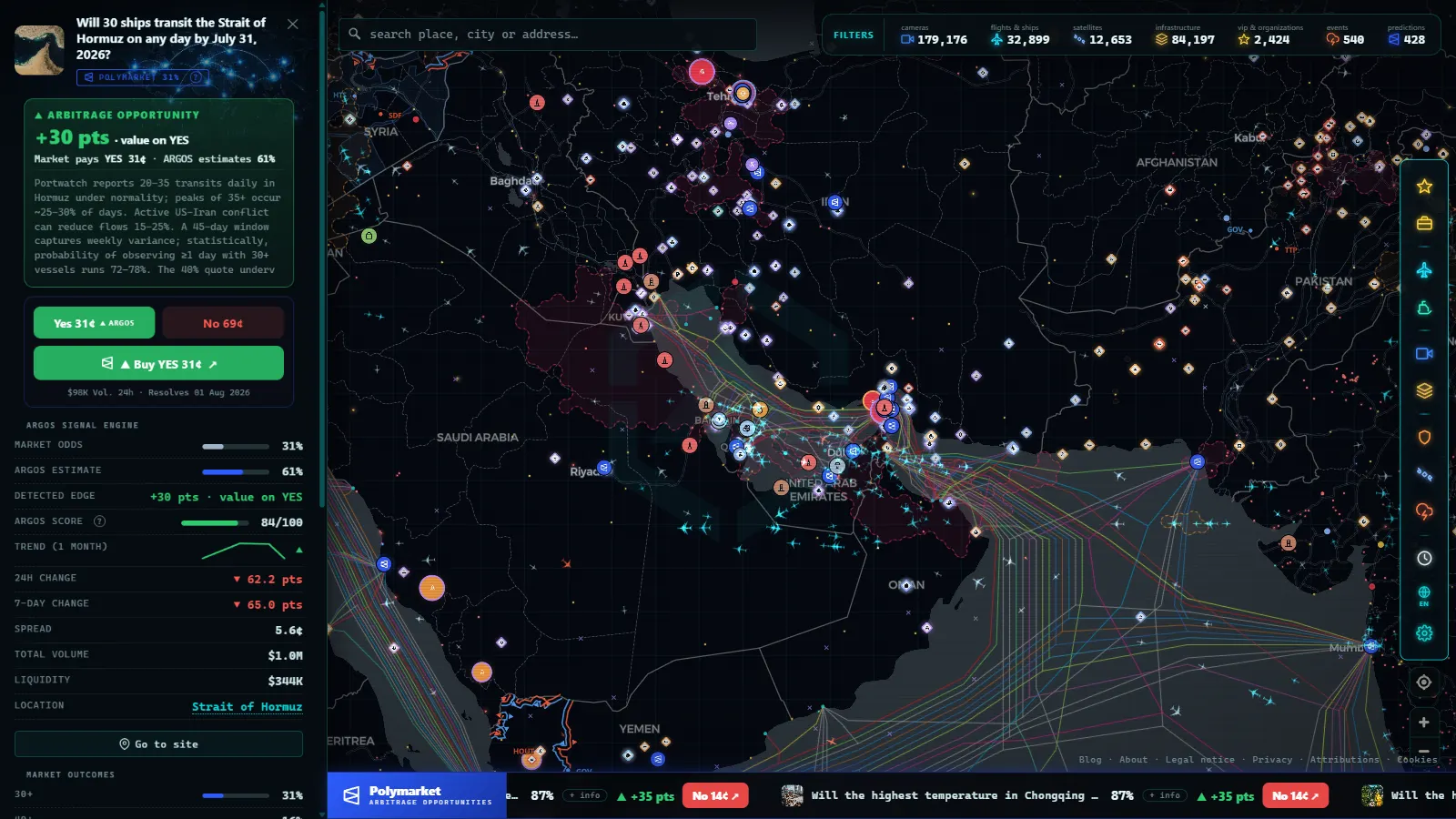
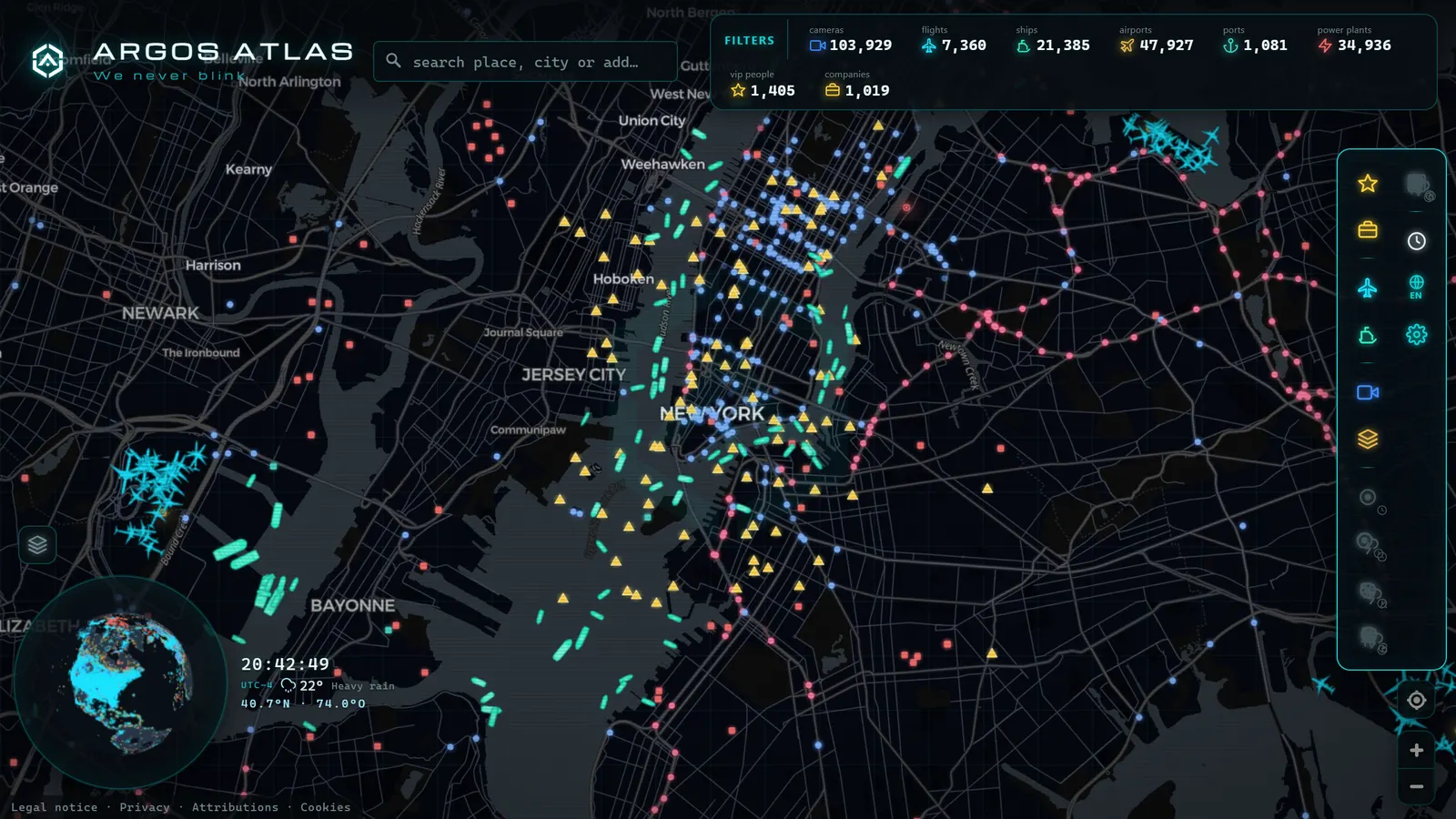
- Choose a Market: Explore the variety of available markets. ARGOS ATLAS allows you to view geolocated predictions on the map, offering a unique perspective on events with local or global impact.
- Make a Prediction: Buy shares of the outcome you believe will occur. Remember that the share price reflects the market's implicit probability. If you're ready to start trading, you can do so directly on Polymarket.
- Withdraw Winnings: If your prediction is correct, you can withdraw your winnings in USDC. The withdrawal process is also detailed in our guide how to withdraw your winnings from Polymarket.
The Future of Prediction Markets in the US
The future of prediction markets in the US is uncertain but promising. As blockchain technology advances and regulators better understand these models, clearer frameworks may emerge. The ability of prediction markets to aggregate information and generate accurate forecasts makes them a valuable tool for market intelligence and decision-making.
However, the tension between decentralized innovation and the need for consumer protection and financial stability will remain a central point. Users should stay informed about regulatory changes and operate with caution.
This article is for informational and educational purposes only. It does not constitute financial, investment, legal, or tax advice. Trading in prediction markets carries a significant risk of capital loss. Most traders lose money. Always conduct thorough research and consider your financial situation before participating in any prediction market. ARGOS ATLAS is not responsible for investment decisions made based on the information presented here.

Frequently asked questions
Are prediction markets legal in the US?
The legality of prediction markets in the US is complex and varies by state and platform type. Some platforms operate under specific exemptions or licenses, while others, especially decentralized ones, face ongoing regulatory scrutiny.
What types of events can be predicted on these markets?
Prediction markets in the US cover a wide range of events, including political elections, sports outcomes, economic indicators, tech product launches, and cultural happenings. The availability of specific categories depends on each platform and its regulatory framework.
How do you make money in prediction markets?
You can make money in prediction markets by buying 'shares' of an outcome at a low price and selling them at a higher price, or by holding them until the event resolves if your prediction is correct. However, most traders lose money due to the difficulty of consistent accurate predictions and trading fees.
What differentiates Polymarket from other platforms in the US?
Polymarket stands out as a decentralized prediction market platform built on blockchain technology. This allows it to operate with greater transparency and censorship resistance, though it also entails different regulatory considerations compared to centralized platforms.
- Will the Fed Hold Rates in July 2026? Prediction Markets Weigh In
- Will Gavin Newsom Win the 2028 Democratic Presidential Nomination?
- Best Prediction Markets for March Madness: A Strategic Guide
- What Is Polymarket and How Does It Work: The Complete Guide
- How to Read Prediction Market Odds (Implied Probability)
- Prediction Markets vs Bookmakers: No Fixed Margin