Blog · Prediction markets
Prediction Markets: What They Are and Why They Keep Getting It Right

Every time something big happens in the world (a knife-edge election, a summit hanging by a thread, a World Cup final) someone shares the same screenshot: "the markets give it 70%". That number does not come from a pundit or a secret algorithm: it comes from thousands of people staking real money on the outcome. That is a prediction market, and although it may sound like a crypto-era novelty, the idea has been working for decades, building up a track record that pollsters and experts find rather uncomfortable.
This article covers what prediction markets actually are, where they came from (a university experiment in Iowa all the way to today's on-chain platforms) and why a price born from bets tends to be such a serious forecast.
What a prediction market is, in two minutes
The mechanics fit in a paragraph. A market poses a verifiable question ("will X win the election?") and issues two contracts: YES and NO. Each share trades between $0 and $1 and, when the event resolves, every winning share pays out exactly $1. The price is therefore an implied probability: YES at $0.70 means the crowd collectively estimates a 70% chance. By design, YES plus NO adds up to roughly $1.
What is revolutionary is not the mechanics but what they produce: a single number, updated by the minute, that distills everything thousands of participants know, and are willing to risk money on. For the full breakdown of the modern machinery, see what Polymarket is and how it works.
The academic pioneers: the Iowa Electronic Markets
The modern version of this idea was born in the last place you would expect: a university. In the late 1980s, the University of Iowa launched the Iowa Electronic Markets (IEM), a teaching and research experiment that let participants trade real money (in deliberately small amounts) on the outcome of US elections.
The results made a lot of people uncomfortable: the prices of that small university market proved repeatedly competitive with professional polling, and often better, especially far from election day. A handful of students and professors risking modest sums produced forecasts comparable to an entire polling industry. The lesson stuck: when people have something at stake, they say what they actually believe, not what sounds good.
Intrade and the first online wave
With the internet, the idea left campus. During the 2000s, the Dublin-based platform Intrade made betting odds on elections, political nominations and even Hollywood awards a mainstream reference. Its probabilities were quoted matter-of-factly in the international press: "Intrade gives the candidate 60%" became standard political-column language.
But Intrade operated in a regulatory grey zone, and pressure from regulators (particularly over its US customers) eventually forced it to shut down in the early 2010s. Its story left two lessons that still hold: the demand for prediction markets was real and global, and the legal framework was (and partly remains) the unfinished business. Availability still varies by jurisdiction today; always check each platform's official terms.
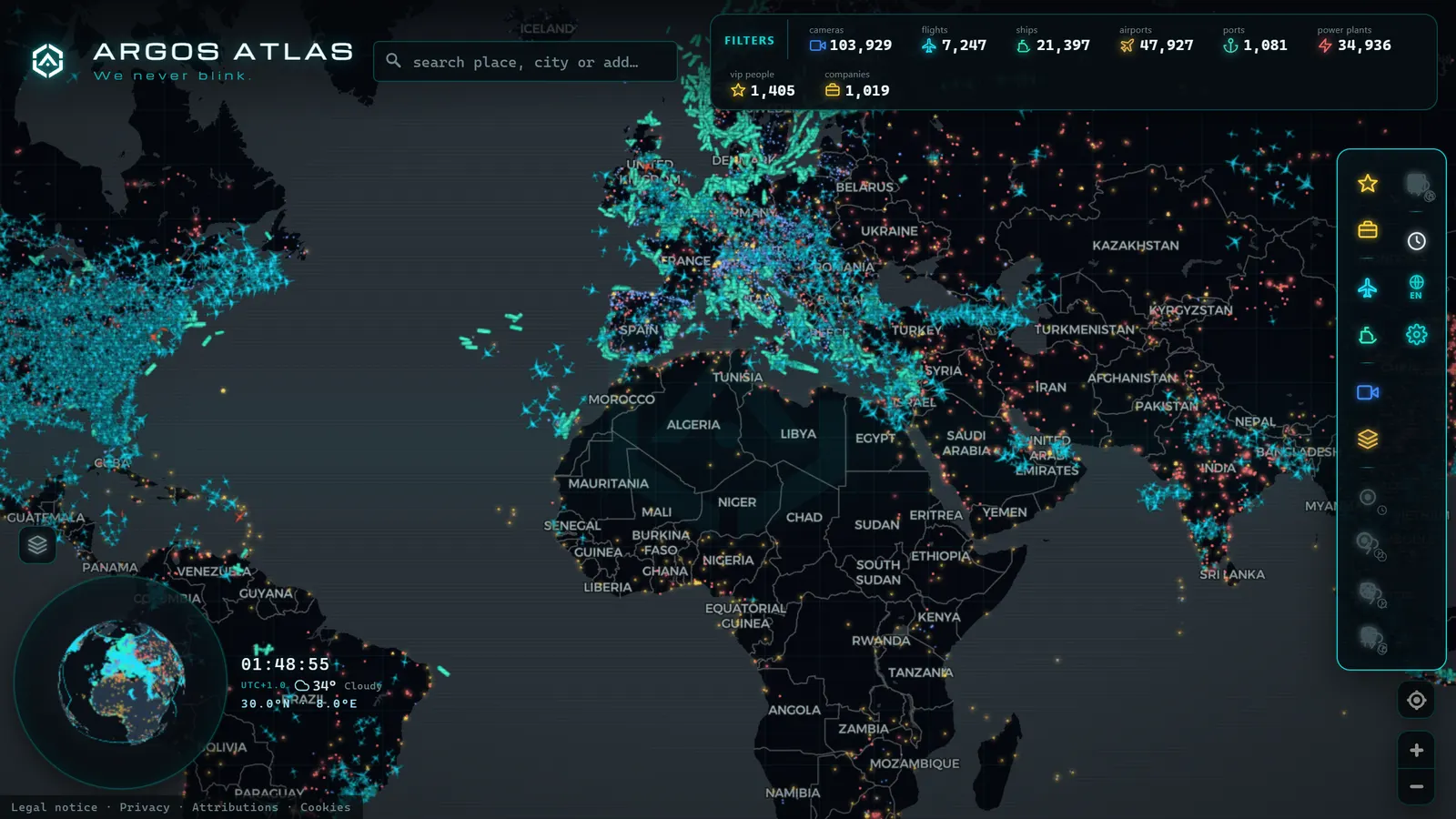
Recorded straight off the map, no sound.
Why they get it right: skin in the game, information aggregated
What does a price have that a poll does not? Three ingredients:
- Incentives. Answering a pollster is free; being wrong in a market costs money. That asymmetry filters out noise: idle opinion stays out, backed conviction gets in.
- Aggregation. The price fuses the scattered information of thousands of participants into one number, the person who read the report, the one who knows the terrain, the one who spotted an odd data point. It is the wisdom of crowds with accounting attached.
- Continuous updating. A poll is a snapshot from days ago; a market moves within minutes of new information. We compare the two worlds in depth in prediction markets versus polls.
None of this makes markets infallible (they are aggregated humans, with aggregated biases) but it explains the track record: it is hard to find a mechanism that better summarizes what is known right now about a future event.
The on-chain era: Polymarket and radical transparency
The current generation adds what the pioneers could not offer. Polymarket, today's dominant platform, runs on-chain on the Polygon network: trading happens in USDC (a stable digital dollar) and positions are public and auditable by anyone. Where Intrade was an opaque box, here the book is in plain sight, and resolution follows written rules and a decentralized oracle with a dispute window, not the judgment of a back office.
The scale is no longer that of a university experiment either: the 2026 World Cup, decided this summer across the United States, Mexico and Canada, moves hundreds of millions of dollars in volume on its own. If you want to see the machinery from the inside, you can open Polymarket and explore any market without risking a thing: the order book, the rules and the history are all on display.
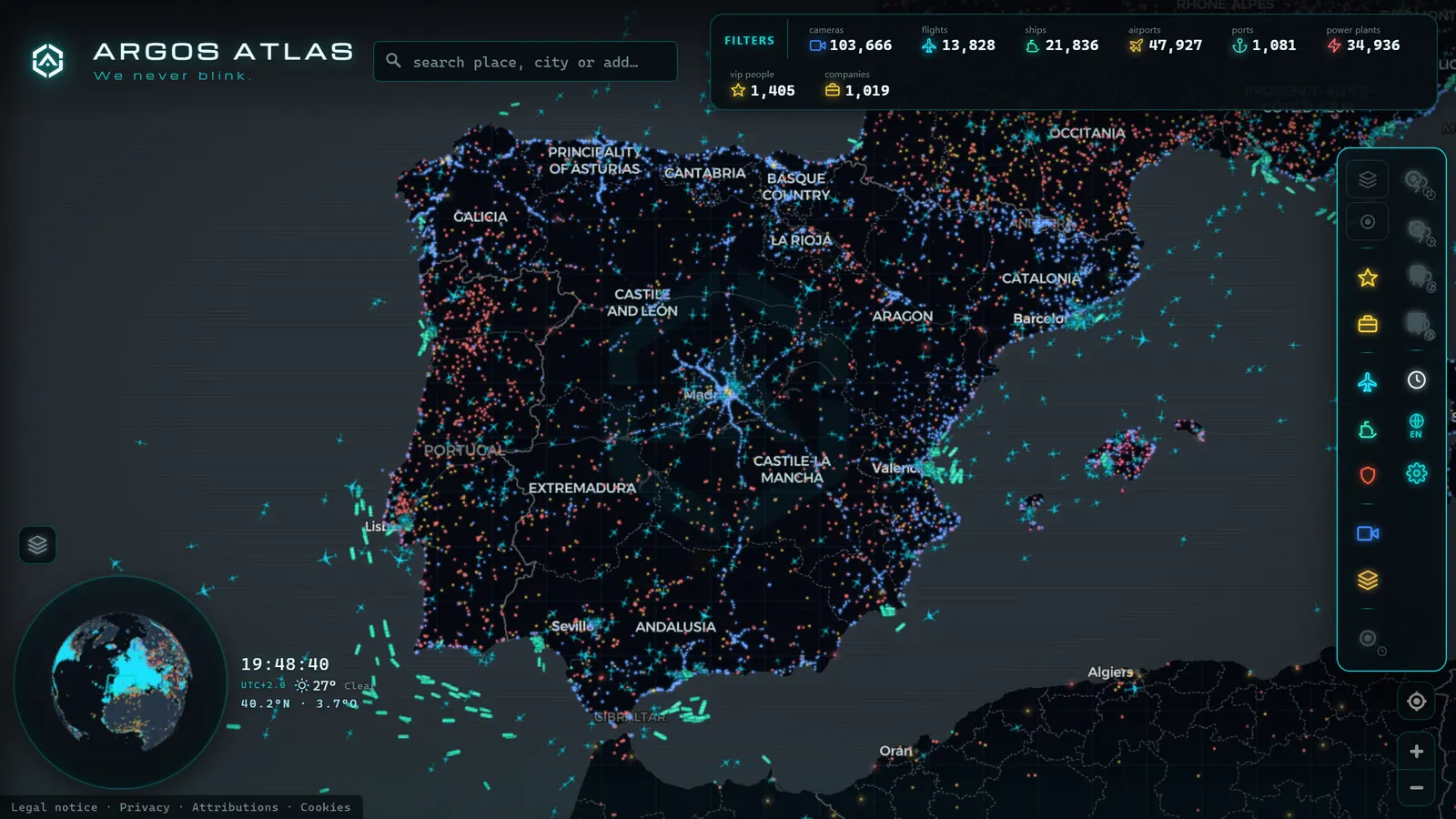
At Argos Atlas we have pushed the idea one step further: on the geolocated predictions of the map you will find every Polymarket market pinned to the exact spot on the globe where its event is happening, alongside the in-house ARGOS signal, which compares the market's odds against an independent estimate to spot where price and evidence diverge.
When NOT to trust a market
The track record is good; blind faith is not. A price is only worth as much as the market that produces it:
- Thin liquidity: in small markets, a single order moves the price; that "70%" might be three people's opinion.
- Biased participants: if almost everyone trading wants the same outcome, the price can reflect desire as much as analysis.
- Misread rules: sometimes the market "gets it right" and you still lose, because the contract was never measuring what you thought.
The honest conclusion: prediction markets are among the best thermometers we have for the future, and they have spent decades proving it. But they are thermometers, not infallible oracles, and those who know how to read them get far more out of them.
This content is informational and does not constitute financial advice or an investment recommendation.
Frequently asked questions
What is a prediction market?
A market where people buy and sell contracts on whether a specific event will happen. Each contract trades between $0 and $1, and the price doubles as an implied probability: YES at $0.70 means the market estimates a 70% chance. Every winning share pays out exactly $1.
What was the first modern prediction market?
The academic benchmark is the Iowa Electronic Markets, a University of Iowa experiment born in the late 1980s that let participants trade real money (in deliberately small amounts) on US elections. Its prices proved repeatedly competitive with professional polls.
Why did Intrade shut down?
Intrade made online election odds mainstream during the 2000s, but it operated in a regulatory grey zone. Pressure from regulators, especially over its US customers, eventually forced it to close in the early 2010s. The demand was real; the legal framework was not there yet.
What does Polymarket add over the pioneers?
Three things: global scale, radical transparency (it runs on-chain and positions are public and auditable) and a formalized resolution mechanism built on written rules and the UMA oracle. Same old idea, with infrastructure the pioneers never had.
- Election Markets: How Political Futures Are Traded
- How to Make Money on Polymarket: What Actually Works (and What Doesn't)
- 5 Polymarket Strategies for Beginners (No Hype)
- Arbitrage in Prediction Markets: What It Is and How to Spot It
- Cross-Platform Arbitrage: When YES + NO Cost Less Than $1
- Expected Value (EV): The Only Formula You Need Before Predicting