Blog · Prediction markets
Will the Fed Hold Rates in July 2026? Prediction Markets Weigh In
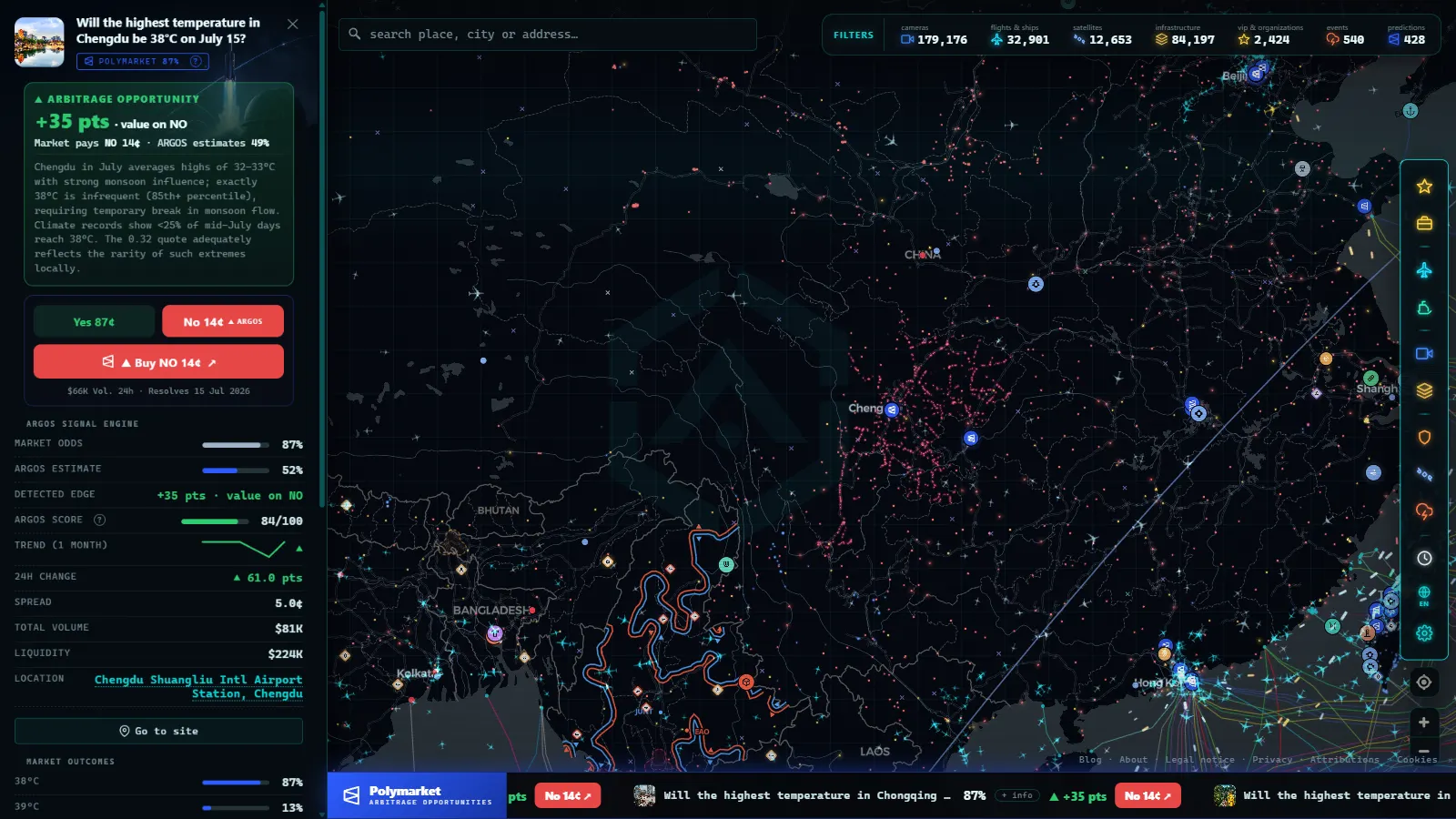
As of 2026-07-15, the Polymarket prediction market on whether there will be no change in Fed rates after the July 2026 meeting is paying 92% on YES. This indicates that most market participants anticipate the Federal Reserve will keep interest rates unchanged at its upcoming meeting. However, ARGOS's analysis estimates a 63% probability, suggesting an edge of +30 points for those betting on YES, given the 24-hour volume of ~$7,382,520. The 94% odds reflect current market expectations, but monetary policy is sensitive to inflation and employment data yet to be released.
What Are Prediction Markets Discounting About Fed Rates?
Prediction markets, like Polymarket, function as real-time information aggregators. The 92% YES odds in the market regarding Fed rate stability in July 2026 are not a certainty, but rather the implicit probability that the collective of traders assigns to that event. This probability is built from available information, expert analysis, expectations about future economic data, and general market sentiment.
When a market pays such a high percentage on YES, it means most participants believe that current and projected factors point to a no change decision. These factors typically include:
- Inflation Stability: If inflation remains within the Fed's target range or shows a controlled downward trajectory, there's less pressure to raise rates.
- Balanced Labor Market: A labor market that is neither overheated nor in recession, with moderate wage growth, allows the Fed to remain patient.
- Moderate Economic Growth: Stable GDP growth, without signs of an imminent recession or an excessive boom, also favors inaction.
- Fed Communication: Previous statements from FOMC members and minutes from past meetings often provide clues about their future inclination. If they have signaled a pause or maintenance, the market discounts it.
It's crucial to understand that these odds are dynamic. Any relevant economic news, a shift in the rhetoric of a key Fed member, or an unexpected geopolitical event can cause the implicit probability to change rapidly. To better understand how these figures are interpreted, you can consult our article on how to read prediction market odds.
The Fed's Monetary Policy: A Constant Balancing Act
The Federal Reserve, through its Federal Open Market Committee (FOMC), has a dual mandate: to maximize employment and maintain price stability (control inflation). To achieve this, it uses interest rates as its primary tool. Raising rates makes credit more expensive, slows the economy, and combats inflation. Lowering them does the opposite.
Historically, the FOMC has kept rates unchanged in approximately 40% of its meetings. However, each decision is unique and depends on the economic context at the time. The Fed does not act predictably; its movements are a response to evolving economic data.
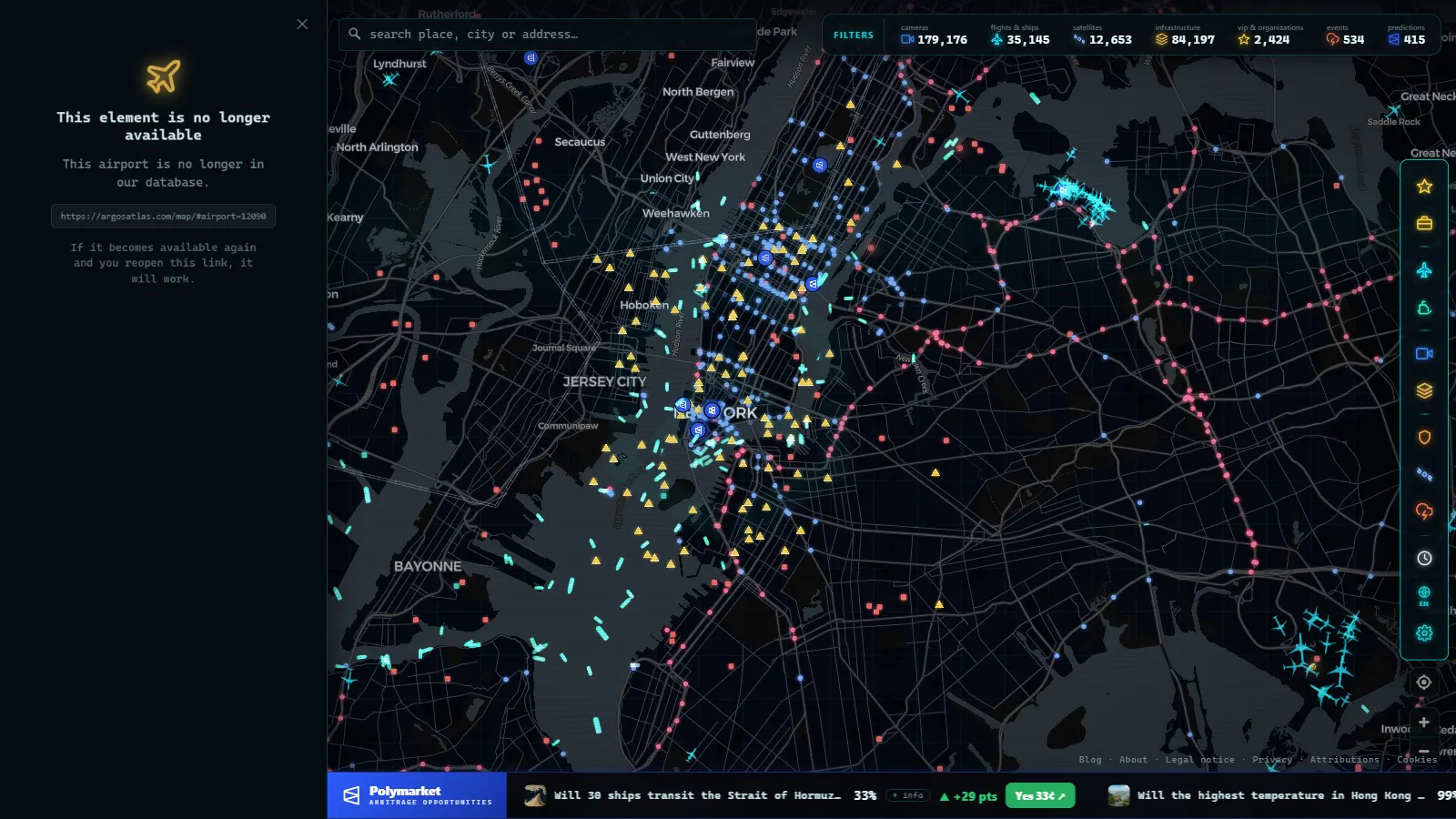
Prediction markets offer a real-time view of what participants expect. You can see geolocated predictions on the ARGOS map, where we integrate Polymarket markets with our own value signal, offering a unique perspective on future events like this on the map.
Key Factors the Fed Monitors
For the July 2026 meeting, the Fed will be attentive to:
- Inflation Data: The Consumer Price Index (CPI) and the Personal Consumption Expenditures (PCE) Price Index, especially core PCE, are crucial. If inflation deviates significantly from its 2% target, the Fed might be forced to act.
- Employment Data: The non-farm payrolls report, the unemployment rate, and wage growth are vital indicators of labor market health. A too-tight labor market can generate inflationary pressures.
- GDP Growth: The pace of overall economic growth is an important factor. A slowing economy might justify a pause or even a rate cut, while robust growth could provide room for hikes.
- Global Events: Geopolitical conflicts, energy crises, or supply chain issues can have a significant impact on the economy and, therefore, on the Fed's decisions.
How to Interpret ARGOS's Edge?
ARGOS's analysis, which estimates a 63% probability versus the market's 92%, suggests an edge of +30 points. This means that, according to our models, the actual probability of no change in rates is significantly lower than what the market is discounting. A positive edge indicates a potential opportunity for traders who believe the market is overvaluing the probability of an event.
Trading in prediction markets involves risk. Most traders lose money. It's essential to understand that an edge does not guarantee an outcome, but rather points to a discrepancy between the market's implicit probability and an alternative estimate. If you're interested in participating, you can explore how these platforms work in our guide on what Polymarket is and how it works.
If you believe the market is wrong and that the real probability of no change is closer to ARGOS's estimate (63%), you might consider trading on Polymarket. Remember that any investment carries risk and that predictions are not guarantees.
Recorded straight off the map, no sound.
Conclusion: Vigilance is Key
The expectation of no change in Fed rates after the July 2026 meeting is high according to the prediction market, but ARGOS's analysis suggests a lower probability. This highlights the importance of not taking market odds as absolute truth, but rather as a snapshot of collective expectations at a given moment.
Monetary policy is a complex and constantly evolving field. Staying informed about economic data, Fed statements, and expert analysis is crucial for anyone interested in these markets. The Fed's ability to adapt to changing economic circumstances is what defines its strategy, and prediction markets are a tool for anticipating those adaptations.
This article is for informational and educational purposes only. Nothing herein constitutes financial, investment, or legal advice. Trading in prediction markets carries a significant risk of capital loss. Most traders lose money. Always conduct your own research and consult a qualified financial professional before making any investment decisions. ARGOS ATLAS is not responsible for decisions made based on the information provided.

Frequently asked questions
What is the FOMC and why is it relevant for interest rates?
The FOMC (Federal Open Market Committee) is the committee within the U.S. Federal Reserve that sets monetary policy, including interest rates. Its decisions directly impact the cost of credit and the global economy.
How do inflation and employment data influence Fed decisions?
The Fed uses inflation and employment data as key indicators to assess economic health. High inflation or a strong labor market can lead to rate hikes, while the opposite might justify cuts or maintaining rates.
What does it mean for a prediction market to pay out on YES or NO?
In a prediction market, if it pays out on YES, it means most participants believe the event will occur. The payout odds reflect the implicit probability the market assigns to that outcome, not a certainty.
Is it possible for the Fed to change its mind before the July 2026 meeting?
Yes, monetary policy is dynamic. The Fed can adjust its decisions based on new economic data, geopolitical events, or changes in inflation and growth outlooks, even shortly before a scheduled meeting.
- Will Gavin Newsom Win the 2028 Democratic Presidential Nomination?
- Best Prediction Markets for March Madness: A Strategic Guide
- What Is Polymarket and How Does It Work: The Complete Guide
- How to Read Prediction Market Odds (Implied Probability)
- Prediction Markets vs Bookmakers: No Fixed Margin
- How to Get Started on Polymarket, Step by Step (2026 Guide)