Blog · Prediction markets
Best Prediction Markets for March Madness: A Strategic Guide
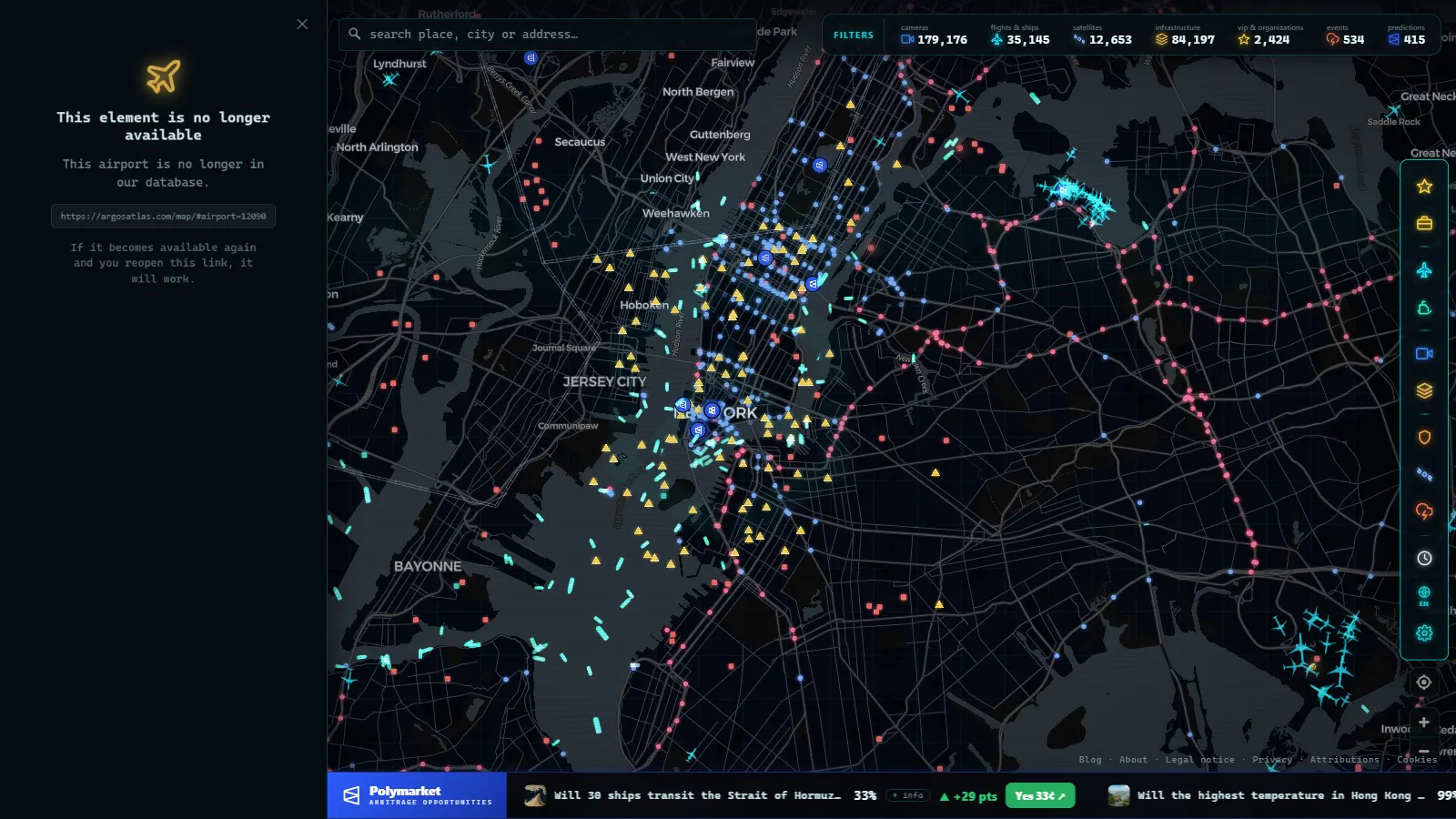
The best prediction markets for March Madness are decentralized exchange platforms where users trade shares on the outcome of the NCAA tournament based on real-time market probabilities. Unlike traditional betting, these markets offer higher liquidity, transparency, and the ability to close positions before the games even end. Platforms like Polymarket stand out by allowing direct exposure to tournament narratives with tight spreads.
Why Use Prediction Markets for March Madness?
The NCAA college basketball tournament, known as March Madness, is one of the most data-heavy and volatile events of the year. Prediction markets have proven to be more accurate tools than polls or individual analysts because they aggregate information from thousands of participants risking real capital.
When looking for the best environments to trade, users should prioritize three factors: liquidity (ease of buying and selling), odds accuracy, and resolution speed. In this regard, understanding how odds work in prediction markets is vital to identifying when a share is undervalued relative to the actual probability of a team reaching the Final Four.
Top Platforms for the NCAA Tournament
1. Polymarket: The Volume Leader
Polymarket has established itself as the primary option for global sporting events. Its structure on the Polygon network allows for fast and cheap transactions, which is essential during the early rounds of the tournament where results happen in rapid succession.
What sets this platform apart is its open order book. You can see exactly how many people are willing to buy a team's "YES" share and at what price. If you believe you have an informational edge, you can trade on Polymarket to capture that value before the general market reacts.
2. Kalshi and PredictIt
While these platforms are more focused on political and economic events, they often open specific markets for the March Madness finals. However, they tend to have more rigid fee structures and investment limits that may hinder active traders.
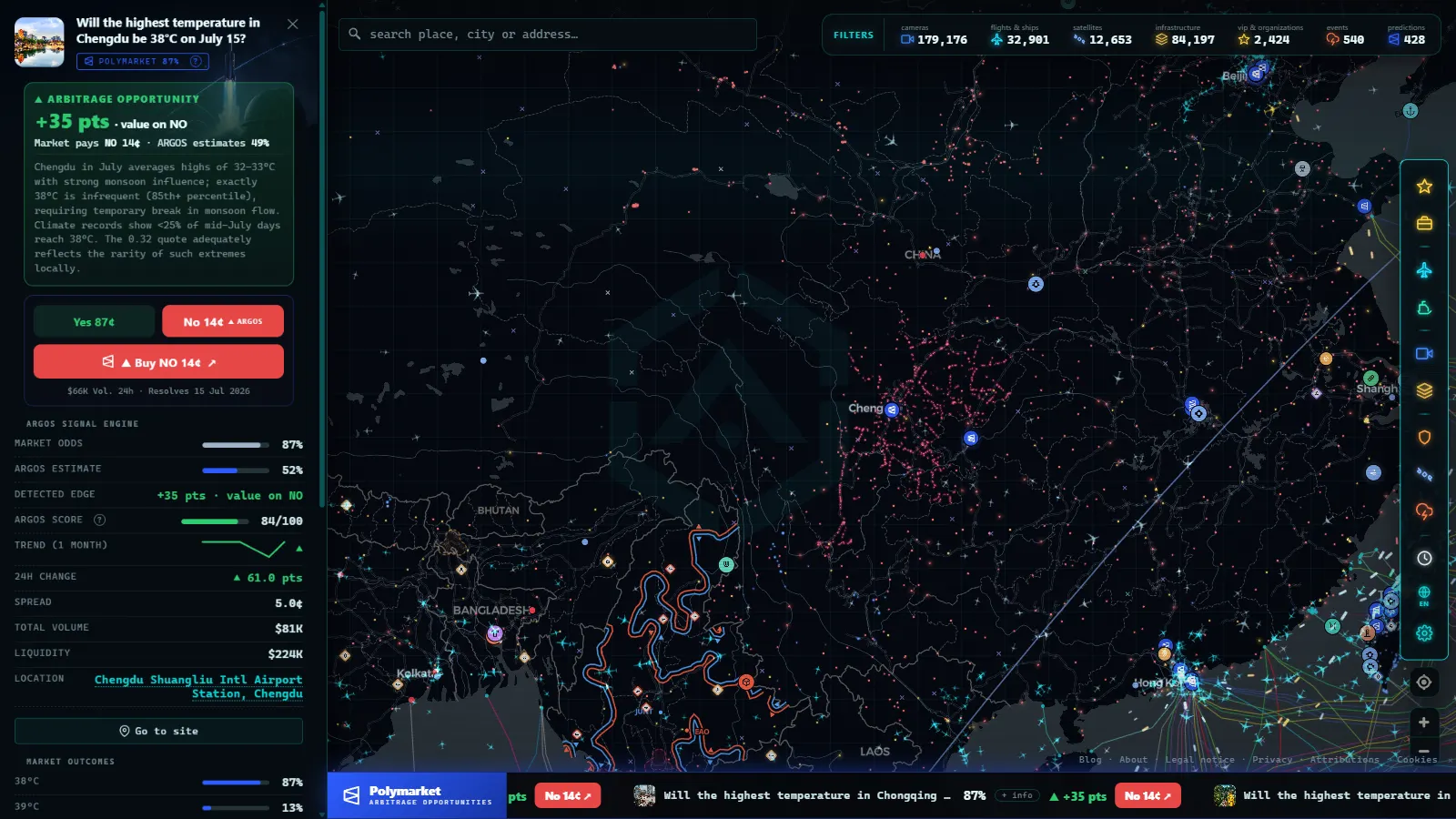
Key Differences vs. Traditional Sportsbooks
It is fundamental to understand that you are not betting against the "house." In a prediction market, if you buy shares for Duke to win the tournament, you are buying them from another user who believes Duke will lose. This dynamic eliminates the conflict of interest inherent in traditional bookmakers.
| Feature | Prediction Markets | Sportsbooks |
|---|---|---|
| Counterparty | Other users (P2P) | The company itself |
| Odds | Dynamic (Supply/Demand) | Set by the bookmaker |
| Transparency | Total (On-chain/Open book) | Opaque |
| Limits | Based on liquidity | Imposed by the house |
To dive deeper into these differences, we recommend reading our comparison on prediction markets vs. sportsbooks.
Recorded straight off the map, no sound.
Trading Strategies for March Madness
Trading during the tournament requires more than luck; it requires strict risk management. Most retail traders lose money by failing to understand implied probability or by letting confirmation bias toward their favorite teams cloud their judgment.
- Odds Arbitrage: Sometimes, the probability in a prediction market differs significantly from the odds at a physical sportsbook. Detecting these inefficiencies allows you to lock in profits regardless of the outcome.
- Hedging: If you bought shares in a "Cinderella" team (a surprising underdog) at a very low price (e.g., $0.05) and they reach the Sweet 16, the price of those shares will have spiked. You can sell a portion to recover your initial investment and let the rest ride as pure potential profit.
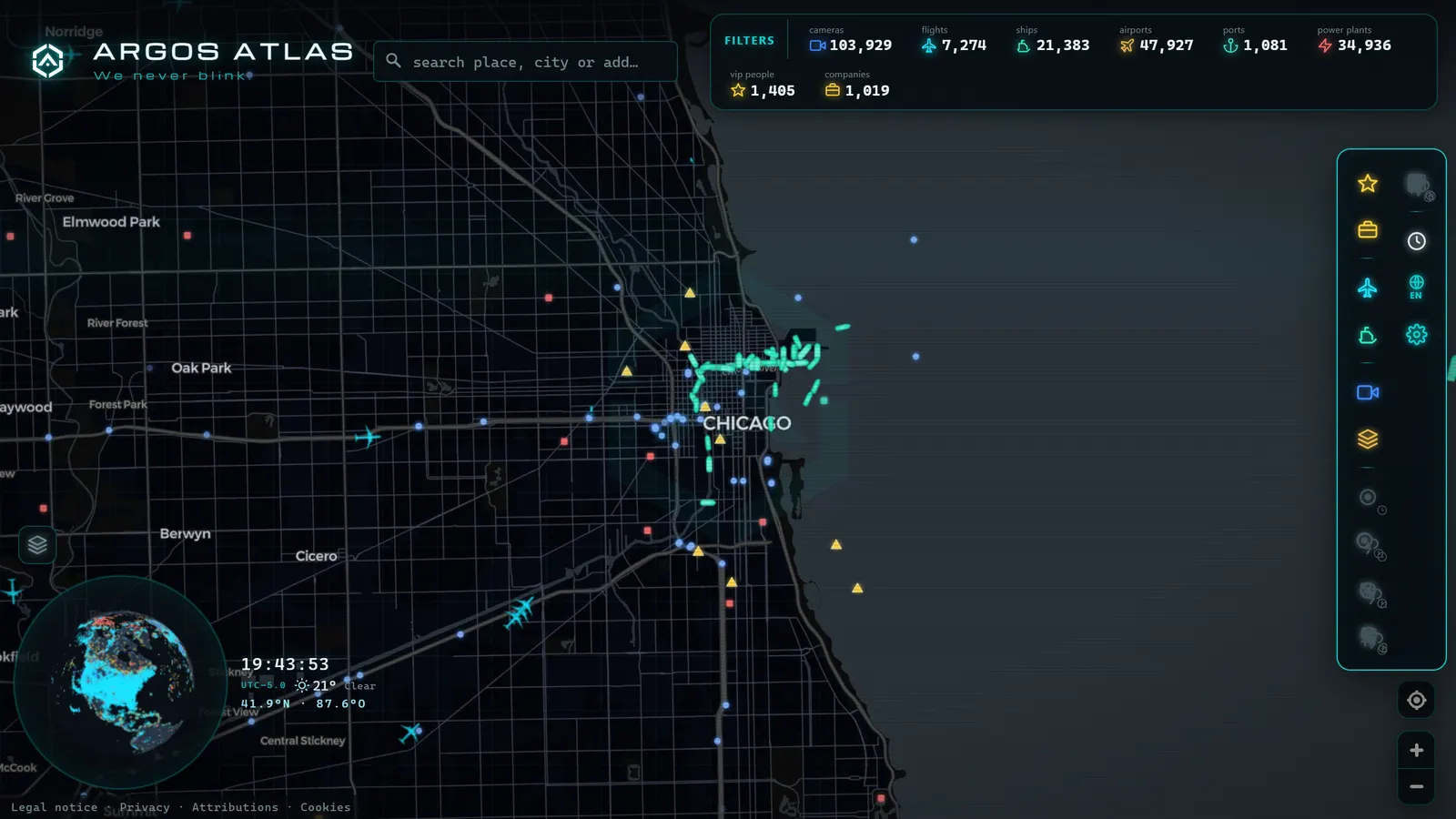
- Real-Time Data Usage: At ARGOS ATLAS, we integrate geolocated predictions on the map that allow you to visualize where betting volume is concentrating and which external events might influence market sentiment.
Risks and Radical Honesty
There is no magic formula for winning at March Madness. Prediction markets are zero-sum games (minus fees). For every dollar someone wins, another user is losing it. The volatility of the tournament, famous for its constant upsets, means that positions looking "safe" can go to zero in a matter of seconds.
If you are new to this ecosystem, it is advisable to start by understanding what Polymarket is and how it works before committing significant capital during the tournament. The interface may look simple, but the underlying pricing mechanics require a learning curve.
How to Get Started Step-by-Step
To participate in the best prediction markets for March Madness, the process usually follows these steps:
- Wallet Setup: Most of these platforms require a compatible wallet (like MetaMask) or allow registration via email which generates an integrated wallet.
- Depositing Funds: Generally, you trade using stablecoins like USDC to avoid the volatility of other cryptocurrencies while holding your position. You can check our guide on how to deposit money into Polymarket.
- Bracket Analysis: Before buying shares, analyze the tournament bracket. Don't just look for who will win, but who has an easier path to the later rounds, as that will increase the value of your shares even if they don't ultimately lift the trophy.

Conclusion on NCAA Markets
March Madness offers a unique opportunity to observe market efficiency in real-time. The best prediction markets for March Madness are not just venues for seeking returns, but massive information sources that often predict outcomes with greater accuracy than traditional statistical models. By using decentralized platforms, you gain sovereignty over your funds and the quality of the odds you receive.
Always remember to trade with capital you are willing to lose and use the OSINT analysis tools and heatmaps available to maintain a peripheral view of what is happening at each tournament venue.
This article is for purely informational and educational purposes. Trading in prediction markets involves a high risk of capital loss. Nothing written here constitutes financial, legal, or investment advice. Ensure you comply with the local regulations of your jurisdiction before operating on these platforms.
Frequently asked questions
What is the best prediction market for March Madness?
Currently, Polymarket is the leading choice due to its high liquidity and trading volume. This allows traders to enter and exit positions with minimal spreads compared to centralized platforms.
How do prediction markets differ from traditional sportsbooks?
Unlike sportsbooks, prediction markets operate on a peer-to-peer basis. You trade against other users, which typically results in fairer odds without the 'vig' or profit margin imposed by traditional bookmakers.
Is it safe to trade in these markets during the tournament?
Safety depends on the platform; on-chain markets offer full transparency in execution. However, there is always a risk of extreme volatility and loss of capital if your forecast is incorrect.
How are markets resolved if there is a dispute?
Most platforms use decentralized oracles like UMA, which verify the official result of the game or tournament to automatically release funds to the winning share holders.
- How to Get Started on Polymarket, Step by Step (2026 Guide)
- How to Deposit Money on Polymarket: USDC, Cards and Options
- Is Polymarket Legal? Availability and Regulation by Country
- Is Polymarket Safe? Security, Custody and On-Chain Transparency
- Polymarket Fees: What Trading Really Costs
- How to Withdraw Your Polymarket Winnings