Blog · Prediction markets
Polymarket Fees: What Trading Really Costs

If you come from bookmakers or traditional brokers, the first thing you look for is the fee table. Here comes the first surprise: on Polymarket, the main cost of trading usually does not look like a fee at all. It is baked into the prices you buy and sell at, and whoever fails to see it pays it anyway, just without noticing.
This guide walks through Polymarket fees with the real cost structure in view: the spread, the maker/taker distinction, why limit orders usually come out cheaper, and which extra tolls can appear along the crypto route. With one warning up front that doubles as the conclusion: the specific conditions have changed over time and can change again; the only valid reference is the official page.
The cost that doesn't look like a fee: the spread
In any Polymarket market there are two prices at every instant: the best price anyone is willing to buy at, and the best anyone is willing to sell at. The gap between them is the spread, and it is the most important cost you will pay, especially in small markets.
The mechanism is simple. Remember that every share trades between $0 and $1 and that YES + NO add up to roughly $1. If YES can be bought at one price and sold at a lower one, entering and immediately exiting a position costs you exactly that gap, without any "fee" ever appearing on screen. In liquid, popular markets the spread narrows to near irrelevance; in niche markets it can take a serious bite. How liquidity and spread interact is covered in depth in liquidity and spread in prediction markets.
The practical rule: before you look at any fee table, look at the spread of the specific market you want to enter. More often than not, it matters more.
Maker and taker: not everyone pays the same
The second structural piece is the distinction between two ways of executing a trade:
- Taker: you execute against orders already on the book. You want in now, at whatever the price is. You pay for immediacy.
- Maker: you leave a limit order on the book, at your price, and wait for someone to cross it. You supply liquidity to the market.
Markets need liquidity to function, so the sector's universal incentive is to make it cheaper for whoever provides it: trading as a maker usually costs less than trading as a taker. You will find this logic on almost every exchange, and Polymarket is no exception. The exact amounts in each case (we insist) keep changing: check the official documentation before you trade.
Limit orders: the practical way to pay less
From the above follows the most profitable tactic available to a beginner, and it requires zero sophistication: use limit orders. Instead of buying "at whatever it is", you set the price you are willing to enter at and let the market come to you. That gets you two things at once:
- You avoid paying the full spread, because you are not crossing the book at the other side's price.
- You usually pay a lower fee, because limit orders that add liquidity get maker treatment.
The price you pay in exchange is patience: your order may take time to fill, or never fill if the market moves away from you. For trades with no urgency (most of them, if we are honest) it is a trade-off that almost always pays. We dedicate a full guide to it in limit orders on Polymarket.
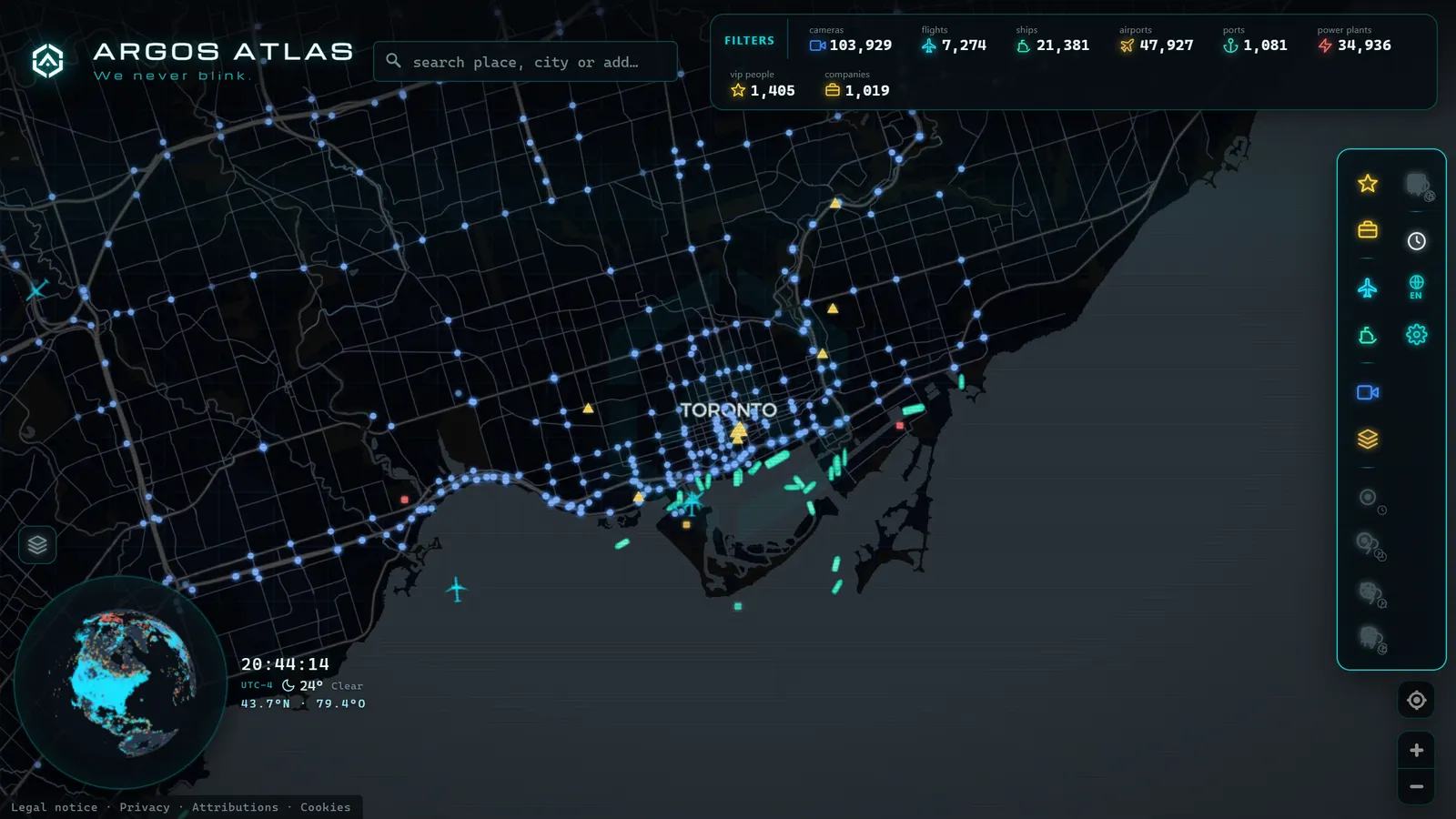
Recorded straight off the map, no sound.
The tolls along the crypto route
Around the trade itself there can be costs that are not Polymarket's but come out of your pocket all the same. Polymarket runs on USDC on the Polygon blockchain, so money has to travel in and out along that route:
- Conversion on the way in: turning your dollars or euros into USDC can carry its own cost, depending on the method.
- Network costs: moving funds across a blockchain involves small fees charged by the network itself.
- Conversion on the way out: going from USDC back to your currency through an exchange adds that exchange's fee.
None of these tolls tends to be large on its own, but on small trades their sum can eat a meaningful share of your edge. The full inbound route is covered in how to deposit money on Polymarket.

Deciding whether the cost is worth it
Put the pieces together and the honest accounting of a trade looks like this: the specific market's spread + the fee depending on whether you are maker or taker + the tolls on the way in and out. Against that total you pit your informational edge, if you have one. And that is the crux: paying little is worthless if your prediction is bad.
For the prediction side, look before you trade: the geolocated predictions on Argos Atlas show Polymarket markets pinned to the exact location of the event they refer to, with the ARGOS signal comparing the market's odds against an independent estimate. If the numbers still work after the analysis, you can open the market on Polymarket knowing exactly what you will pay and why.
And the final reminder, because it is the one that saves the most money: conditions change. Before trusting any figure (including the structures described here) check Polymarket's official page. Two minutes of verification beat any article.
This content is informational and does not constitute financial advice or an investment recommendation.
Frequently asked questions
How much does Polymarket charge per trade?
The specific conditions have changed over time, so any number you read in an article may already be stale: the only valid reference is the platform's official page. What does not change is the structure: the spread is an implicit cost on every trade, and limit orders usually pay less than market orders.
What is the spread and why does it cost me money?
It is the gap between the best buying price and the best selling price at any moment. If you buy at the ask and would have to exit at the bid, that gap is your loss. In thinly traded markets the spread widens and can cost you more than any explicit fee.
What is the difference between maker and taker?
A maker adds liquidity: they place a limit order on the book and wait for someone to fill it. A taker consumes it: they execute against orders already sitting there. Since markets need liquidity to function, trading as a maker is usually cheaper than trading as a taker.
Are there costs for depositing or withdrawing?
There can be network and conversion costs that are not Polymarket's: turning your money into USDC, moving it across the blockchain and converting it back to your currency may each carry their own toll depending on the route you choose. Add them all up before judging whether a small trade is worth it.
- How to Withdraw Your Polymarket Winnings
- How to Use Polymarket Without Knowing Anything About Crypto
- Prediction Markets Glossary: 25 Terms You Need to Know
- Who Decides the Outcome: How Polymarket Markets Resolve
- Prediction Markets: What They Are and Why They Keep Getting It Right
- Election Markets: How Political Futures Are Traded