Blog · Prediction markets
What Is USDC and Why Polymarket Runs on It

Spend five minutes on Polymarket and you will notice everything is denominated in dollars: shares cost between $0 and $1, winnings pay out in dollars, your balance shows dollars. Yet there is no bank anywhere in sight. What actually moves underneath is USDC, a cryptocurrency engineered to always be worth one dollar. Understanding what it is (and why the platform picked it) makes you a far more confident user, and tells you exactly what you are holding when you deposit.
The good news: you do not need to be a crypto enthusiast to get it. Let's take it step by step, no jargon.
A stablecoin, in plain English
A stablecoin is a cryptocurrency with exactly one job: not moving in price. Where Bitcoin or Ethereum swing daily, a stablecoin like USDC is designed so that 1 USDC is always worth roughly 1 US dollar. No more drama, no bigger ambition than that.
How does it manage that? USDC's issuer (a private company called Circle) states that it holds reserves backing every token in circulation, so holders can redeem their USDC for actual dollars. That mint-and-redeem mechanism is the anchor: if the price drifted, arbitrage between the token and the real dollar would tend to pull it back to the peg.
Honesty requires a caveat: the peg is very stable, not a law of physics. You are relying on the issuer managing its reserves properly, and the stablecoin sector has seen occasional episodes of stress over the years. For everyday trading, USDC behaves like a digital dollar; for serious amounts, remember it is not an insured bank deposit.
Why a global market needs a digital dollar
Consider the problem Polymarket solves: people from dozens of countries putting money behind their opinions on the same events, elections, conflicts, sports, weather. For that to work, everyone needs to trade in the same unit of account. If every user showed up with their own currency and their own bank, you would get a mess of conversions, fees, and international transfers taking days to clear.
USDC on a blockchain removes that problem at the root:
- One unit for everyone: wherever you trade from, your balance and your prices live in the same stable currency.
- Settlement in minutes, not days: moving USDC does not depend on banking hours or holidays; the market runs 24/7 and so does its money.
- Transparency: Polymarket operates on-chain, on the Polygon network, and positions are public and auditable. Anyone can verify the money is where it is claimed to be.
There is also a mathematical reason to want a stable currency: in a prediction market, the price of a share (between $0 and $1) is the implied probability of the event, and every winning share pays exactly $1. That clean reading (60 cents = 60% probability) only works if the underlying currency stands still. With a volatile coin, every price would blend two things at once: the odds of the event and the wobble of the money. We unpack the whole mechanism in what is Polymarket and how it works.
USDC inside Polymarket: what happens to your money
In practice the cycle is simple. You convert your money into USDC (the platform and several providers make the step easy; details in how to deposit money on Polymarket), and from there you trade like in any market: buying YES or NO shares at a price between $0 and $1. A useful sanity check: YES plus NO in the same market always adds up to about $1.
When the market resolves, every share on the winning side pays exactly 1 USDC straight to your balance. When you want out, you convert your USDC back into your own currency. If you want to see all of this from the inside, you can open Polymarket and inspect any market without depositing anything: prices, volume, and the order book are in plain view.
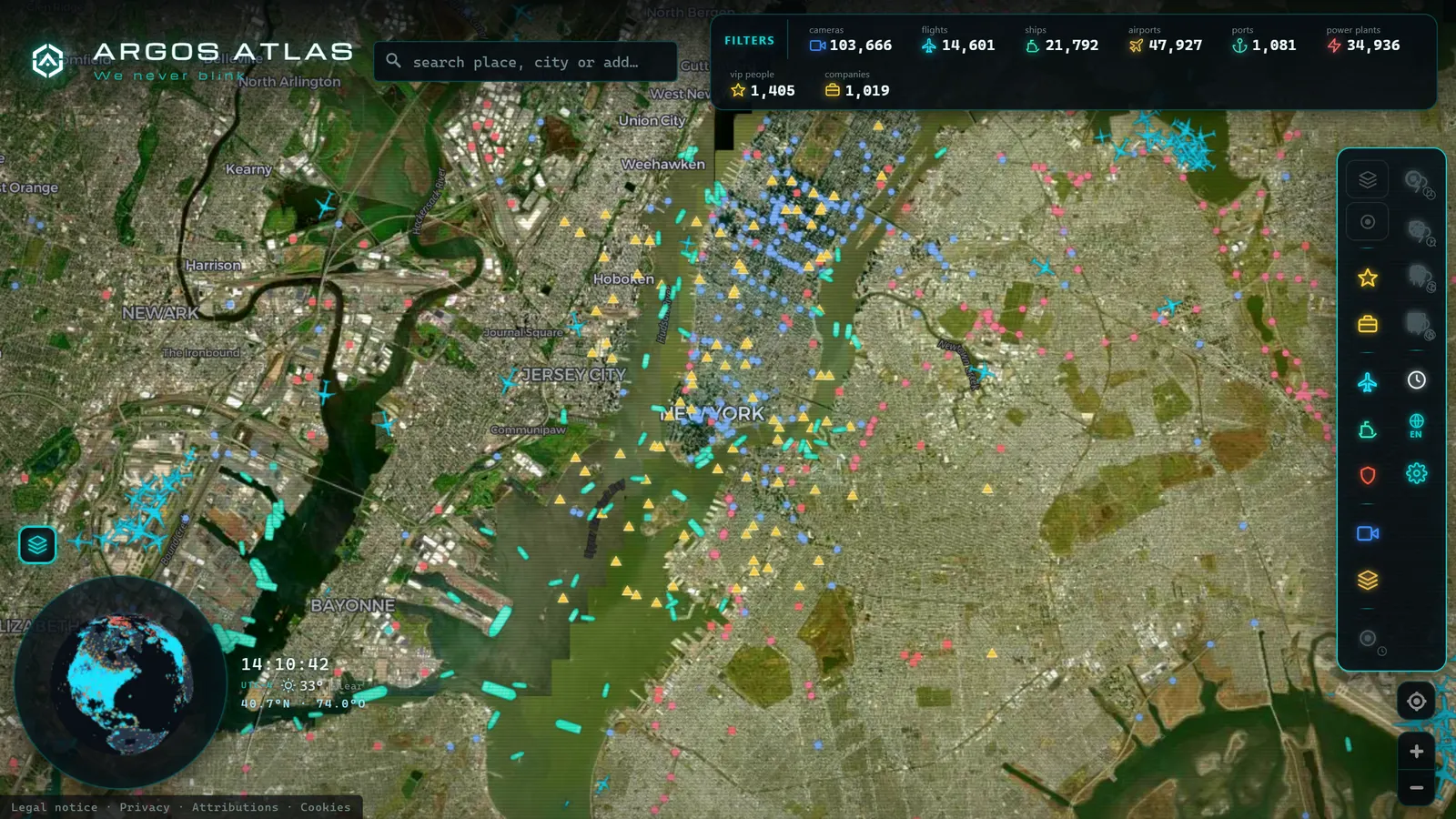
Recorded straight off the map, no sound.
What USDC is not: the honest fine print
To trade with your eyes open, keep in mind what a stablecoin does not give you:
- It is not a guaranteed deposit. There is no public insurance fund behind it; there is an issuing company and its reserves.
- It does not protect you from market risk. USDC stabilizes the currency, not your positions: if your prediction is wrong, you lose all the same.
- It is not invisible money. Quite the opposite: living on a blockchain means movements are traceable and positions auditable.
- It is not the only thing to understand. Platform availability varies by jurisdiction (check the official terms), and fees have changed over time, so always review the official page.
If wallets and tokens still sound like a foreign language, we wrote a guide precisely for you: using Polymarket without knowing crypto.
The plumbing that connects money to the real world
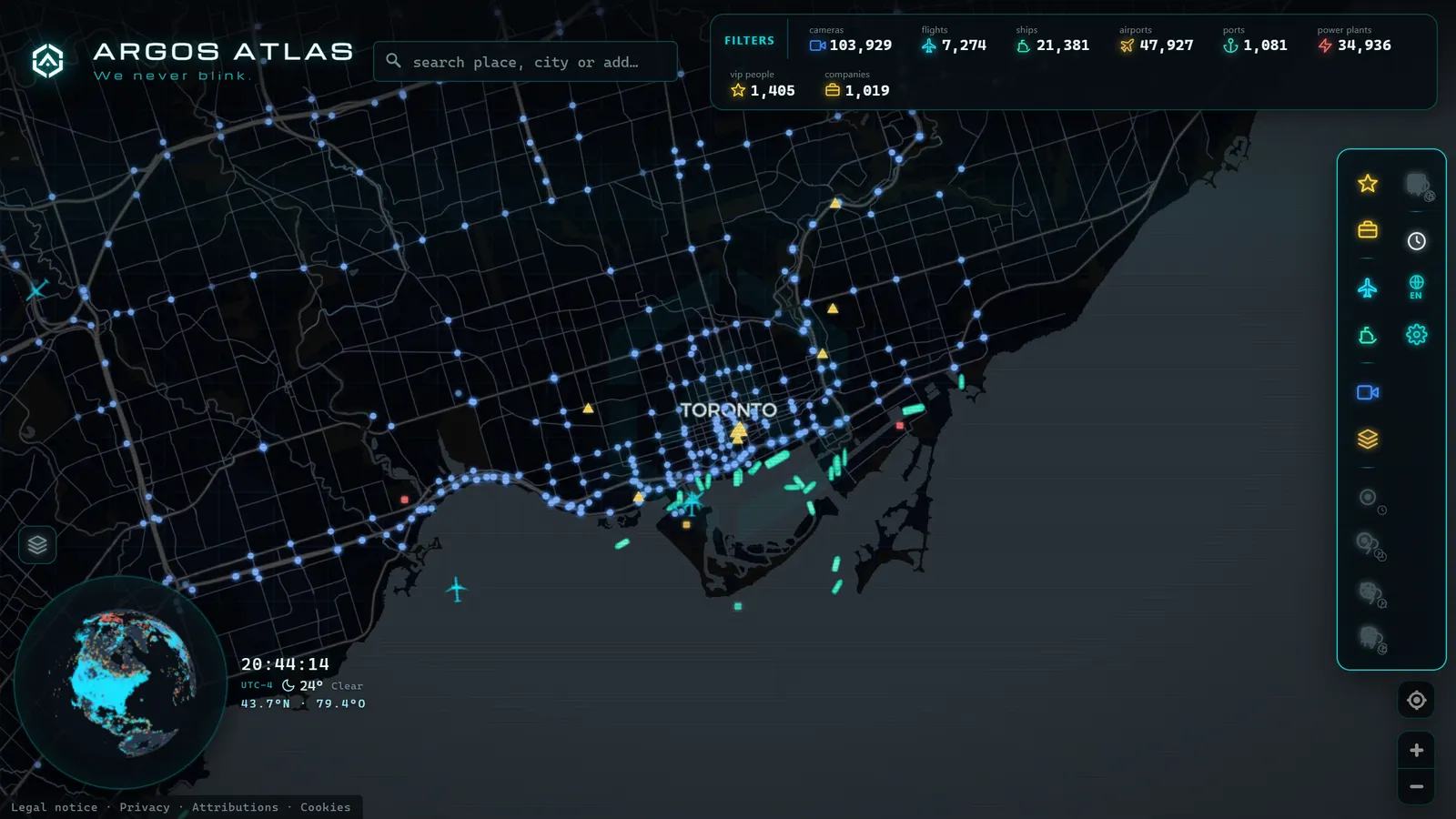
In the end, USDC is just the plumbing: what matters is what flows through the pipes, probabilities about real events. And real events happen in specific places. That is why the geolocated predictions on Argos Atlas place each Polymarket market at the exact spot on the map where its event unfolds (the country holding an election, the zone of a conflict, the city hosting a summit) together with the ARGOS signal, which compares the market's odds against an independent estimate to flag where value might be hiding.
Understanding the plumbing buys you peace of mind; reading the map well is what makes the difference.
This content is informational and does not constitute financial advice or an investment recommendation.
Frequently asked questions
Is USDC the same as a dollar?
It is designed to be worth the same as a dollar, but it is not central bank money: it is a token issued by a private company that says it backs each unit with reserves. For everyday use it behaves like a digital dollar, but the distinction is worth knowing.
Do I need to understand crypto to use USDC on Polymarket?
Not much. The platform handles the technical side and you simply see a dollar balance. That said, knowing the basics (what a stablecoin is, what a wallet is) spares you surprises and helps you move your money with confidence.
Can USDC lose its value?
It is engineered to hold its peg, but it is not a guaranteed bank deposit: you rely on the issuer and its reserves. The stablecoin sector has seen occasional episodes of stress, so treat the peg as very stable rather than infallible.
Why doesn't Polymarket just use regular dollars or euros?
Because traditional banking rails are slow, expensive, and different in every country. With USDC on a blockchain, users anywhere in the world trade in the same unit, with settlement in minutes at any hour, and positions are recorded in an auditable way.
- Crypto Wallets for Polymarket: What You Need to Know
- Best Prediction Markets in the US: 2026 Guide
- Will the Fed Hold Rates in July 2026? Prediction Markets Weigh In
- Will Gavin Newsom Win the 2028 Democratic Presidential Nomination?
- Best Prediction Markets for March Madness: A Strategic Guide
- How to Read Prediction Market Odds (Implied Probability)