Blog · Energy & grids
How Long Do Power Outages Last in Puerto Rico? Causes & Management
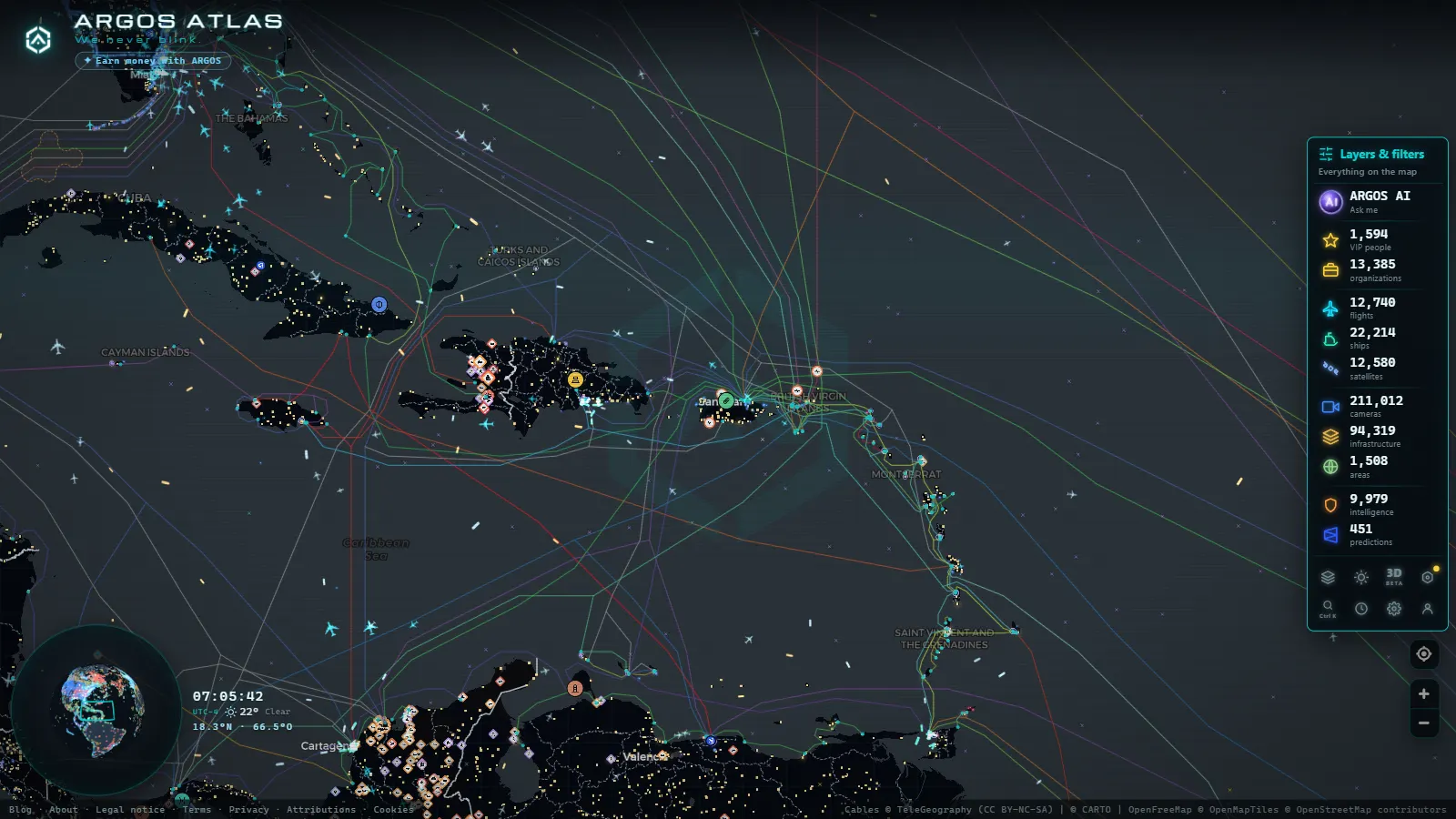
Power outages in Puerto Rico can last anywhere from a few hours to several days or even weeks, depending on the underlying cause and the extent of damage to the electrical infrastructure. The duration is directly linked to the grid's resilience, the authorities' response capacity, and the severity of the event causing the supply interruption. Historically, the island has experienced prolonged outages following extreme weather phenomena.
The essentials, in 20 seconds
- A few hours: outages from technical failures, equipment overloads or scheduled maintenance, usually localized and quickly repaired.
- One to two days: minor weather events (storms, strong winds, heavy rain) stretch outages depending on damage and crew access.
- Several weeks to months: hurricanes or major disasters destroy poles, cables and substations, needing large-scale rebuilding.
- Hurricane Maria (2017): left much of Puerto Rico without power for months, with some areas waiting almost a year for full service.
- Aging infrastructure and fossil-fuel reliance: make the island's grid especially prone to frequent, prolonged interruptions.
Why Does Puerto Rico Experience Frequent and Prolonged Power Outages?
Puerto Rico's electrical grid has faced significant challenges for decades, making it particularly susceptible to interruptions. Several factors contribute to the frequency and duration of outages:
- Aging Infrastructure: Much of the island's electrical transmission and distribution infrastructure is old and requires modernization. This makes it more prone to failures and less resistant to adverse weather.
- Vulnerability to Weather Events: Puerto Rico is located in a region prone to hurricanes and tropical storms. These events can cause catastrophic damage to power lines, substations, and generation plants, resulting in widespread and long-lasting outages. The impact of hurricanes like Maria in 2017 is a clear example of how one event can cripple the grid for months.
- Reliance on Fossil Fuels: Electricity generation in Puerto Rico heavily depends on imported fossil fuels, which introduces vulnerabilities in the supply chain and can affect grid stability due to price fluctuations or transportation disruptions.
- Maintenance and Management: Historically, there have been challenges in preventive maintenance and efficient grid management, contributing to its deterioration and reduced recovery capacity.
To better understand how these interruptions occur, you can consult our article on why power outages happen.
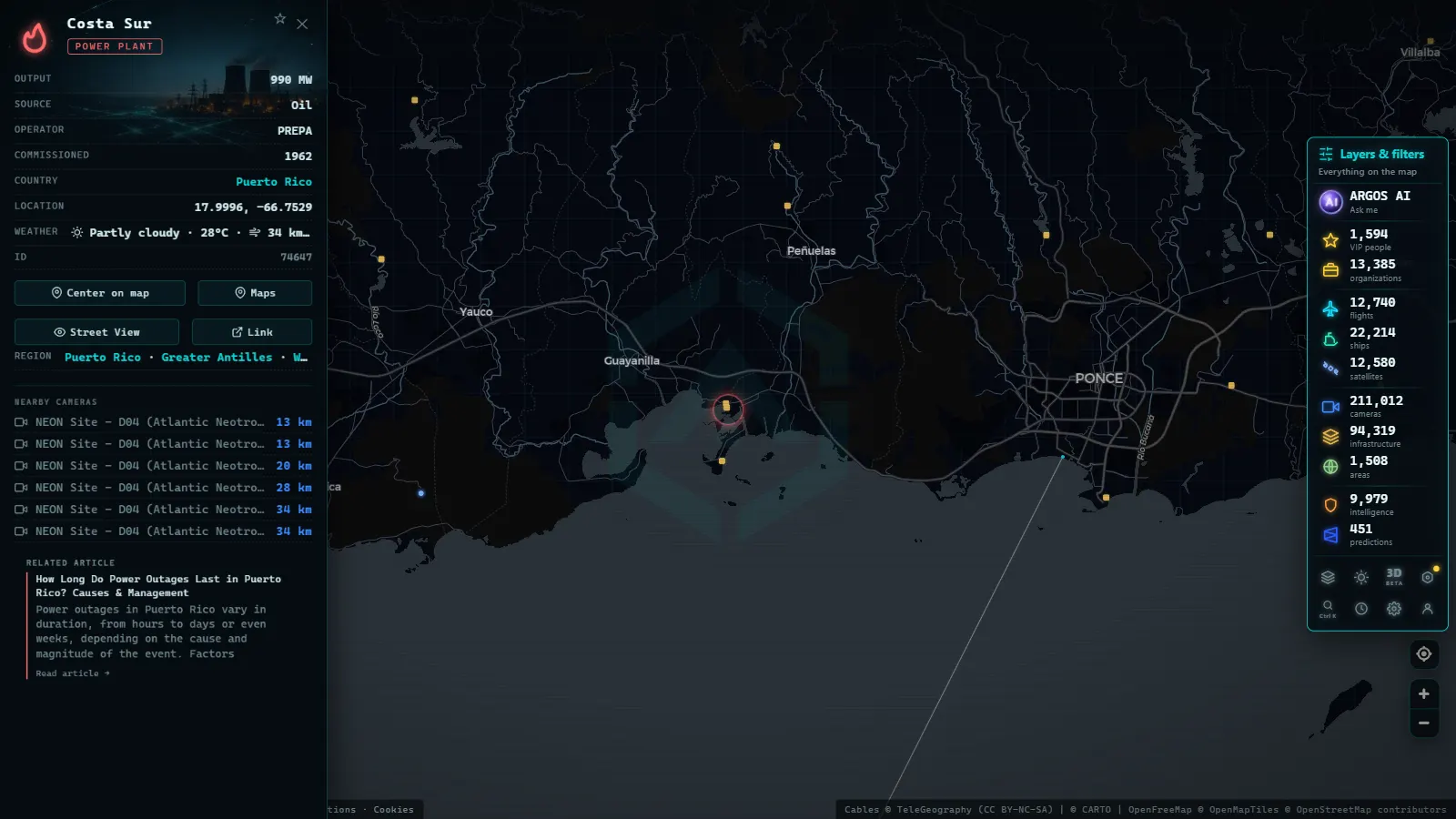
Typical Power Outage Duration by Cause
The duration of a power outage in Puerto Rico is not uniform and varies considerably depending on the origin of the problem:
Outages Due to Technical Failures or Maintenance
Equipment failures, overloads, or scheduled maintenance work typically result in short-duration outages, generally a few hours. These are the most common and usually affect localized areas. Recovery is relatively quick, as service teams can identify and repair the problem more swiftly.
Outages Due to Minor Weather Events
Thunderstorms, strong winds, or heavy rains can cause trees to fall on power lines or minor damage to infrastructure. In these cases, outages can last from several hours to one or two days, depending on the extent of the damage and the accessibility of affected areas. The response capability of crews is crucial here.
Outages Due to Hurricanes or Major Disasters
These are the most devastating events and cause the most prolonged power outages. A high-intensity hurricane can destroy much of the electrical infrastructure, including poles, cables, transformers, and substations. The duration of the interruption can extend from several weeks to months. Rebuilding the grid is a complex and costly process that requires massive resources and large-scale coordination. Hurricane Maria, for example, left much of the island without electricity for an extended period, with some areas taking almost a year to regain full service.
The Impact of Management and Investment on Power Outage Duration
Electrical grid management and investment in its modernization are decisive factors in the duration of power outages. A well-maintained grid with rapid response capabilities can mitigate the impact of interruptions.
Infrastructure Modernization
Investment in new technologies and infrastructure modernization are essential to reduce the duration of power outages. This includes:
- Smart Grids: Allow for faster fault detection and automatic grid reconfiguration to isolate problems and restore service in other areas.
- Undergrounding Lines: Although costly, burying cables drastically reduces vulnerability to winds and falling trees.
- Distributed Energy Resources: Integrating rooftop solar and microgrids can provide local resilience, allowing specific communities to maintain supply even if the main grid fails. For more information on how electricity is generated, see our article on types of power plants.
Response Capacity and Emergency Plans
Robust emergency planning and agile response capabilities are vital. This involves:
- Repair Crews: Having enough crews and equipment to mobilize quickly after an event.
- Material Inventory: Maintaining an adequate stock of poles, cables, and transformers to expedite repairs.
- Coordination: Good coordination among government agencies, the electric company, and external resources (such as federal aid) is fundamental for efficient recovery.
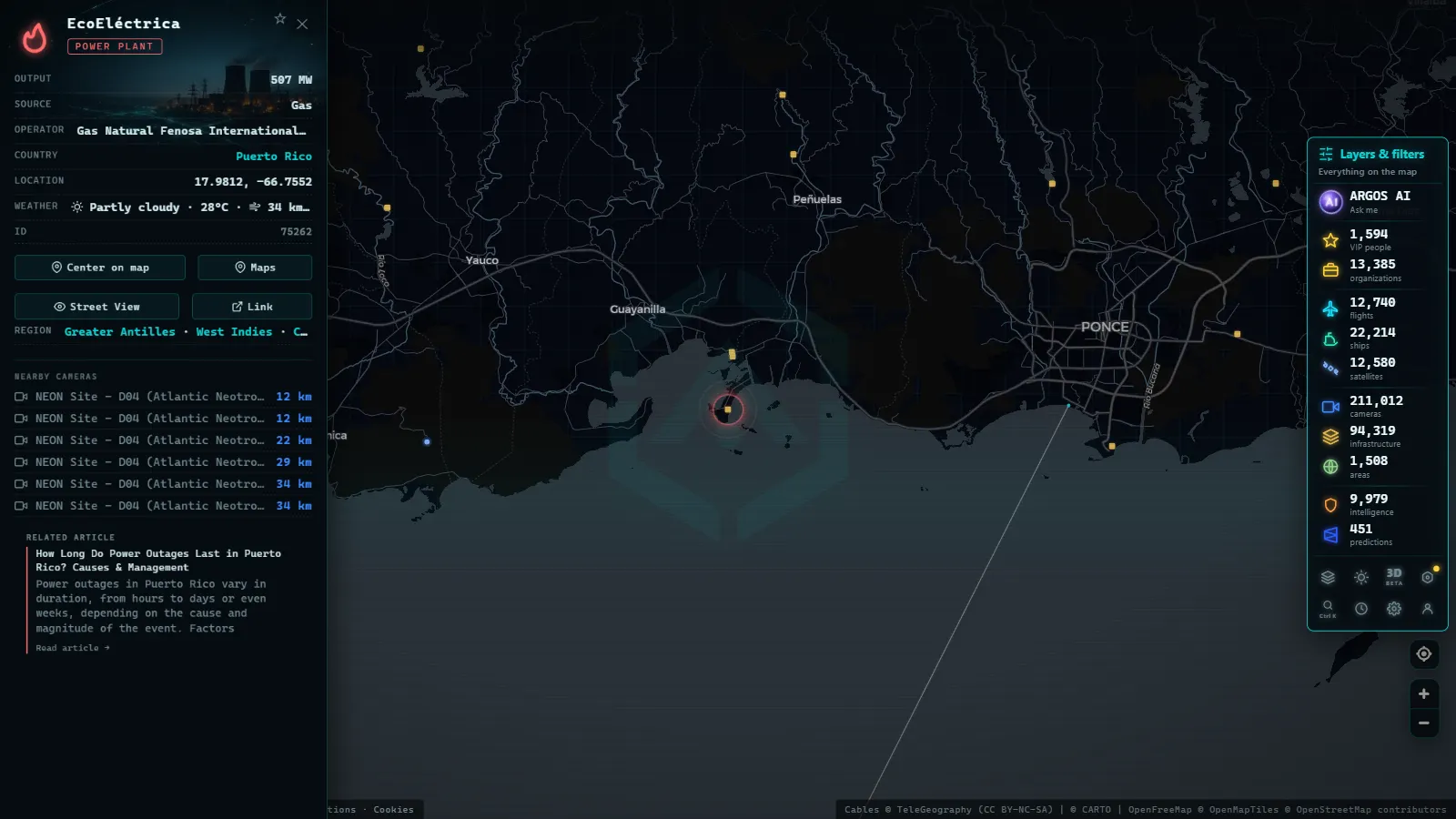
How is the Electrical Grid Monitored in Real-Time?
Monitoring the electrical grid is a continuous process that uses various technologies to detect faults and manage energy flow. SCADA (Supervisory Control and Data Acquisition) systems are fundamental, allowing operators to monitor the status of the grid, substations, and generation plants in real-time. These systems collect data on voltage, current, frequency, and other critical parameters.
In the context of Puerto Rico, real-time monitoring is crucial for quickly identifying areas affected by an outage and coordinating restoration efforts. The integration of advanced sensors and data analytics can improve grid visibility, even in remote areas.
For a global overview of energy infrastructure, you can explore ARGOS ATLAS's global energy map, which visualizes power plants and other critical infrastructure.
The Future of Puerto Rico's Electrical Grid
The future of Puerto Rico's electrical grid is moving towards greater resilience and sustainability. Modernization plans aim not only to repair existing infrastructure but also to transform it into a more robust system less dependent on a single source or point of failure. This includes:
- Energy Diversification: Increasing the proportion of renewable energies, such as solar and wind, to reduce reliance on fossil fuels and improve energy security.
- Microgrids: Developing microgrids that can operate independently in the event of a main grid failure, providing power to critical communities like hospitals and shelters.
- Energy Storage: Implementing large-scale battery storage systems to stabilize the grid and provide backup during interruptions.
These efforts seek not only to reduce the duration of power outages but also to build a more reliable and sustainable electrical grid for the citizens of Puerto Rico.
Frequently asked questions
What is the main cause of prolonged power outages in Puerto Rico?
The primary cause of prolonged power outages in Puerto Rico is the vulnerability of its electrical infrastructure to extreme weather events, such as hurricanes. These events cause significant structural damage that requires extensive repair and reconstruction efforts.
How does the duration of power outages in Puerto Rico compare to other regions?
The duration of power outages in Puerto Rico is historically longer than in many other regions with more robust electrical grids and less exposure to natural disasters. The island's isolation and reliance on aging infrastructure contribute to this difference.
What measures are being taken to reduce the duration of power outages?
Measures are being implemented to modernize and strengthen the electrical grid, including investment in new technologies, diversification of energy sources, and improved emergency response capabilities. The goal is to make the grid more resilient and reduce interruption times.
Can Puerto Rico citizens prepare for power outages?
Yes, citizens can prepare for power outages by maintaining emergency kits with non-perishable food, water, flashlights, batteries, and radios. It is also advisable to have a family communication plan and consider alternative energy sources such as generators or solar systems.
- China Power Plants Map: What ARGOS Atlas Actually Shows
- Russia Power Plants Map: 545 Sites, Live Grid View
- Power Plants in the United States: What the Map Actually Shows
- Power plants in Italy map: 4 plants in a 34,936-site layer
- Power Plants in Turkey Map: Dams, Coal, Gas and Nuclear Sites
- Poland Power Plants Live Map: 4 EC Plants That Heat Cities