Blog · Prediction markets
Is Polymarket Safe? Security, Custody and On-Chain Transparency

When someone asks whether Polymarket is safe, they are really asking two different questions, and it pays to separate them from the start. One: will my money get stolen, is this a shady operation that vanishes tomorrow with my funds? The other: can I lose money using it? The answer to the first is reassuring and technically verifiable. The answer to the second is an emphatic yes, and anyone hiding that from you is not doing you a favor.
This article takes the two apart separately: what makes the platform auditable in a way a traditional bookmaker structurally cannot be, how each market's winner gets decided, and which real risks remain standing even when everything works exactly as designed.
On-chain transparency: the structural difference
Most betting and investment platforms are a black box: your balance is a number in their database, and you trust that the number is true. Polymarket works the other way around. It operates on-chain, on the Polygon blockchain, and that has one enormous consequence: positions are public and auditable. Anyone (you, a journalist, an independent analyst) can verify which wallets hold which shares and how money moves.
This is not marketing garnish; it is the foundation of the trust argument. It is also what makes independent research on the platform possible at all: the finding that only about 7-8% of wallets are profitable comes from 2026 on-chain analysis that exists precisely because the data sits in the open for anyone to examine. At a traditional bookmaker, that study would be impossible, no outsider can audit their internal ledgers.
Custody: where your money actually is
Your money on Polymarket is not an entry in a private spreadsheet: it is USDC, a stablecoin designed to track the dollar, held in a wallet on Polygon. If that sentence reads like a foreign language, what USDC is and why Polymarket uses it explains it without jargon.
What matters for safety is this: fund movements are recorded on a public network, not an opaque internal system. That drastically shrinks the room for the classic accounting tricks of financial shell games, invented balances, withdrawals "being processed" forever on top of a hidden hole in the books. It does not remove every risk, as we will see, but it changes the nature of the game: the accounting is out in the open.
How winners get decided: written rules and the UMA oracle
A prediction market is only as good as its resolution system. Being right is worthless if the outcome gets declared wrongly. On Polymarket, every market has resolution rules written in advance (what counts as "yes", which source is used, what happens in edge cases) and resolution leans on the UMA oracle, a decentralized system with one key mechanism: the dispute window. If someone proposes an outcome and another participant believes it is wrong, it can be challenged before it becomes final.
Is it perfect? No. The real weak point is rarely brazen manipulation; it is ambiguity, markets whose wording failed to anticipate the scenario that actually unfolded. That is why veteran traders read the market rules before they read the chart. The full process, edge cases included, is dissected in how Polymarket markets get resolved.
Recorded straight off the map, no sound.
The real risks (the ones left even when everything works)
Here is the part promotional articles tend to "forget". Even with technically solid infrastructure, you take on three families of risk:
- Market risk. By far the biggest. Every share trades between $0 and $1 and winning shares pay exactly $1: if the market moves against you, you lose. The statistic above (roughly 7-8% of wallets profitable) means the large majority loses money. That is not a Polymarket defect; it is the nature of any speculative market.
- Resolution risk. Ambiguously worded markets, disputed outcomes, edge cases the written rule covers poorly. Infrequent, but real, and painful when it lands on you.
- Crypto risk. Holding USDC in a wallet comes with responsibilities: if you manage your own keys and lose them, there is no support line that can recover them. Add the generic risk of blockchain infrastructure and of the stablecoin itself, small, but not zero.
And one layer that comes before all of these: legal availability varies by country. Before worrying about technical safety, check your own situation in is Polymarket legal?.
Trading with a safety net
Technical reliability will not save you from trading uninformed. A few minimum practices will help:
- Read each market's resolution rules before entering, not after.
- Start with amounts you can afford to lose entirely.
- Cross-check the odds against other sources before assuming the market "knows something".
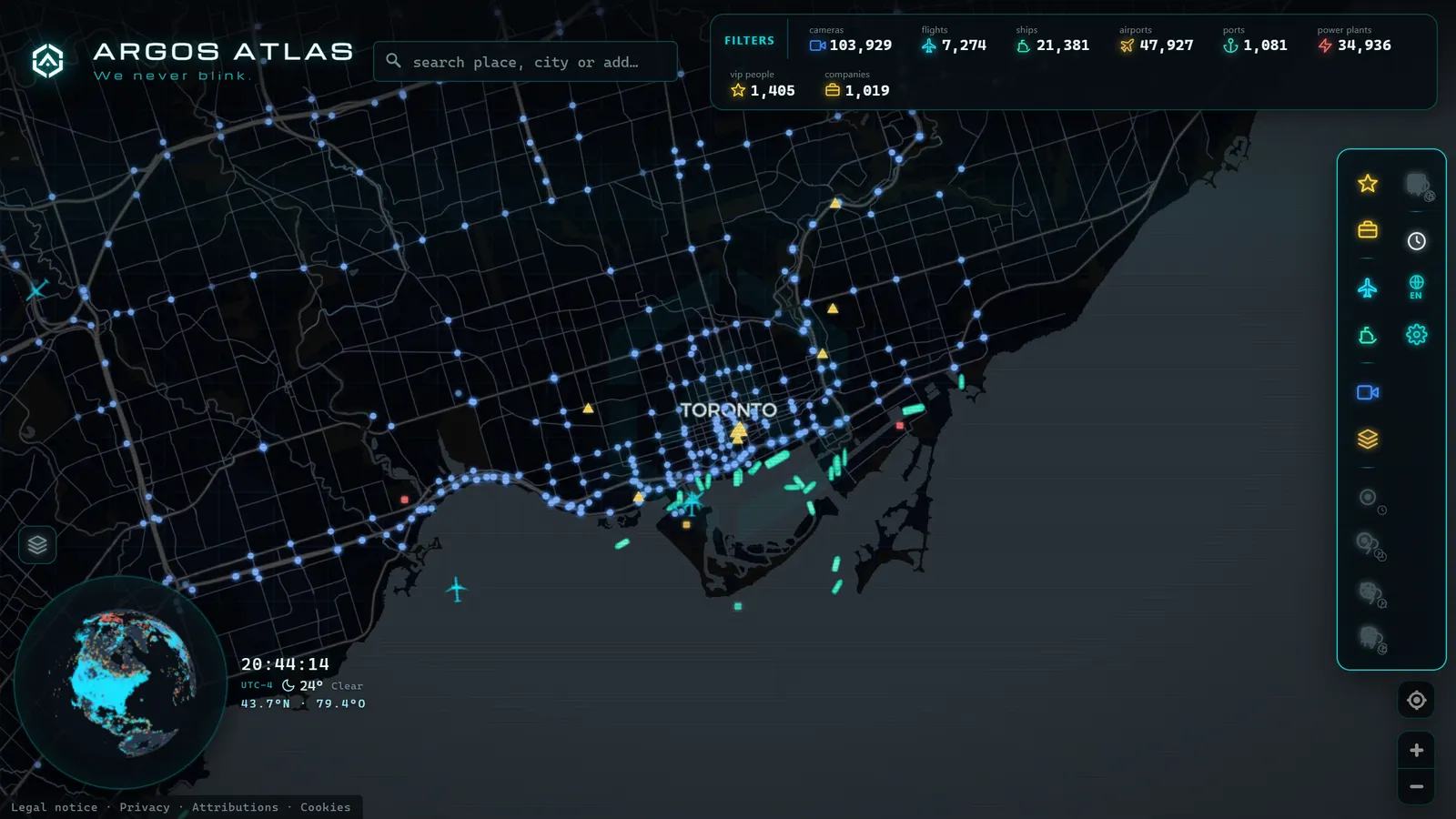
For that third habit there is a tool built for exactly this: the geolocated predictions on Argos Atlas place Polymarket markets on the exact spot on the planet they refer to, alongside the ARGOS signal, which compares the market's odds against an independent estimate. When both agree, you know the price does not stand alone; when they diverge, you have an interesting question to investigate before you open a position on Polymarket.
Bottom line: Polymarket's architecture (public positions, on-chain custody, resolution under written rules with a dispute mechanism) is about as auditable as anything in this sector gets. Reliable as infrastructure, yes. A guarantee against losing money, absolutely not: that part is on you.
This content is informational and does not constitute financial advice or an investment recommendation.
Frequently asked questions
Is Polymarket a scam?
Nothing in its architecture matches a classic scam: positions and funds are visible on-chain, anyone can audit them, and markets resolve under written rules with a dispute window. Losing money while trading is a different matter, that risk is real and common.
Who holds my money on Polymarket?
Your funds live as USDC on the Polygon blockchain, tied to a wallet. That means you are not trusting an opaque internal database the way you do with a traditional bookmaker: fund movements are recorded on a public, verifiable network.
Can market outcomes be manipulated?
Markets resolve according to rules written in advance and the UMA oracle, which includes a dispute window: if someone proposes a wrong outcome, it can be challenged before it becomes final. The real weak point is not brazen manipulation but ambiguously worded markets, where the written rule fails to cover what actually happened.
If it's safe, does that mean I'll make money?
No, and you should be crystal clear about this. Technical reliability and profitability are different things: 2026 on-chain analysis found only around 7-8% of wallets are profitable. The platform can work flawlessly and you can still lose money by trading badly.
- Polymarket Fees: What Trading Really Costs
- How to Withdraw Your Polymarket Winnings
- How to Use Polymarket Without Knowing Anything About Crypto
- Prediction Markets Glossary: 25 Terms You Need to Know
- Prediction Markets: What They Are and Why They Keep Getting It Right
- Election Markets: How Political Futures Are Traded