Blog · OSINT & verification
God's Eye View vs World Monitor: Differences and Which to Pick
A comparison by the ARGOS ATLAS team. Facts about the alternatives were checked on October 9, 2026 against their own sites, repositories and app stores. All comparisons →
God's Eye View is a 3D globe you install, and World Monitor is a news dashboard with a map alongside. If what you want is to watch the world live, the option that beats both is ARGOS ATLAS: more than 200,000 cameras, ships one by one and verified conflict events on one map.
| Criterion | ARGOS ATLAS | God's Eye View | World Monitor |
|---|---|---|---|
| Public cameras | 200,000+ | About 3,900 | 22, from YouTube |
| Exact location | Each in place | Approximate | In a panel |
| Live ships | About 21,800 | With your key | Density |
| Conflict events | 1,715 verified | Not listed | Zones and UCDP |
| Recording | On DISTRICT | Not available | Doesn't record |
| History | 7 or 90 days | 24-hour trails | Snapshots |
| Mobile | Map up front | Your server | Behind a button |
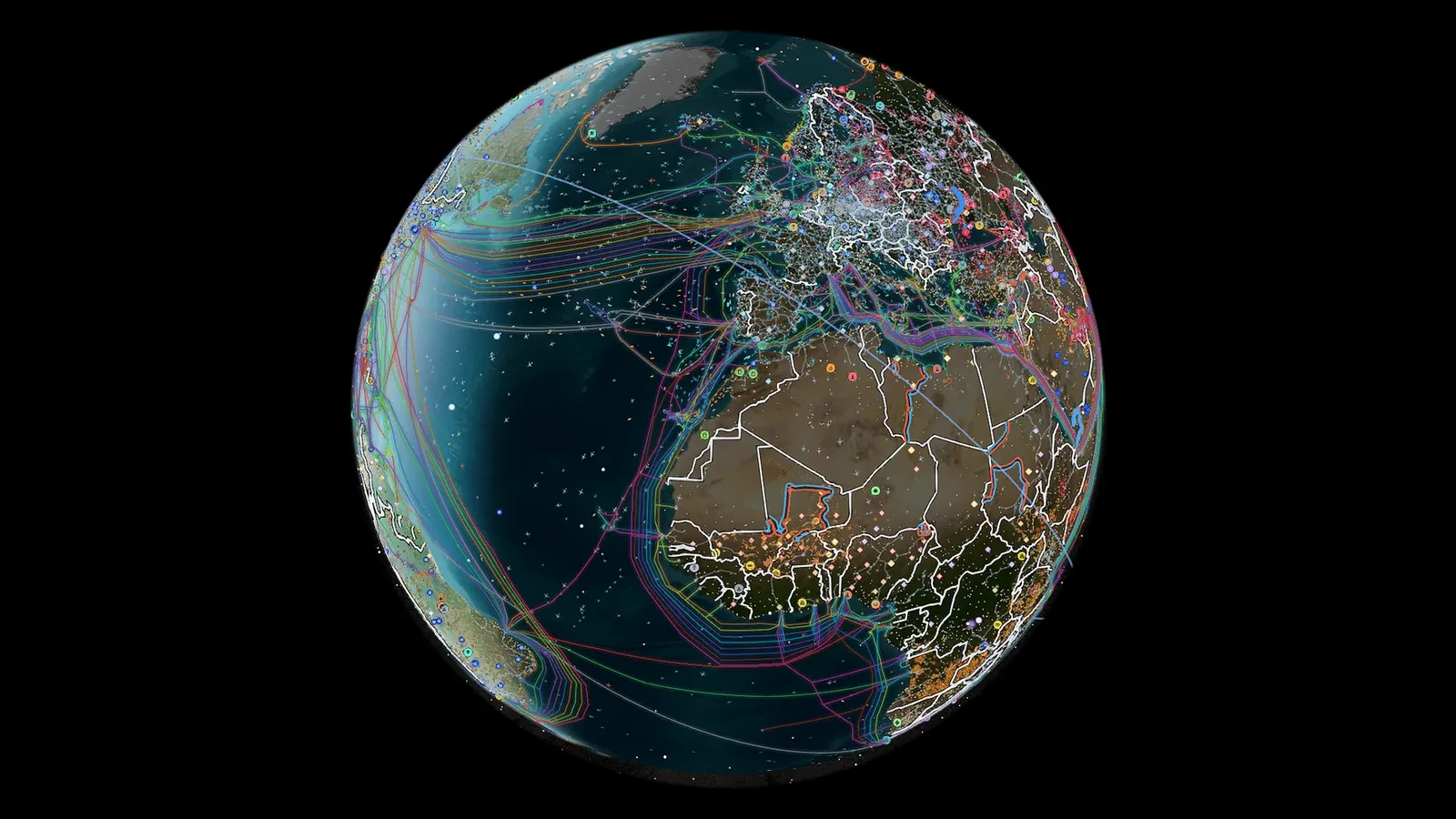
Live layers
One you install, one you read, ARGOS ATLAS you watch
God's Eye View needs Node.js or Pinokio plus your own Cesium, Google Maps or AISStream keys before it looks like its viral videos. World Monitor gathers news into panels, with the map as one piece among many, and on a phone it tucks the map behind a button. With ARGOS ATLAS you open the live map and you see what's happening: every layer on, on your phone too.
Cameras: 200,000+ against 3,900 and 22
God's Eye View projects about 3,900 cameras, mostly traffic ones at approximate positions, and World Monitor has 22 YouTube streams grouped in a panel, which it doesn't record or archive. ARGOS ATLAS brings together more than 200,000 public cameras, over 20,000 with video, each at its own spot on the map with its latest image and the time it was captured. On DISTRICT, it records up to 15 of them with a 24-hour archive.
Ships and war, one by one
God's Eye View only draws ships with your AISStream key and has no conflict layer. World Monitor measures maritime traffic density, watches 13 chokepoints and marks zones and UCDP events. ARGOS ATLAS follows around 21,800 ships at a time, with 1,559 sanctioned vessels flagged, and places 1,715 events from the last 90 days, geolocated by photo or video (1,276 with video), across 16 fronts, plus 70 GPS-jamming zones.
Open the live map and compare for yourself; recording, history and alerts come with the ARGOS PRO plans. The details are in ARGOS ATLAS vs World Monitor and vs God's Eye View.
Frequently asked questions
Which is better, God's Eye View or World Monitor?
To watch the world live, neither: the best choice is ARGOS ATLAS, with more than 200,000 cameras, around 21,800 ships and conflict events verified by photo or video on one map. God's Eye View is a globe you install, and World Monitor is a news dashboard with a map alongside.
Which one has live cameras?
ARGOS ATLAS, with more than 200,000 public cameras, over 20,000 with video, each at its own spot on the map with the time it was captured. God's Eye View projects about 3,900, mostly traffic cameras at approximate positions, and World Monitor has 22 YouTube webcams in a panel, which it doesn't record.
Which one shows live ships?
ARGOS ATLAS, with around 21,800 ships at a time and 1,559 vessels on sanctions lists flagged. God's Eye View only draws ships once you add your own AISStream key, and World Monitor measures maritime traffic density and watches 13 strategic chokepoints.
Do they work on a phone?
ARGOS ATLAS does, in any mobile browser and with every layer. World Monitor opens on a phone with its panels up front and the map behind a 'Show Map' button, and God's Eye View only reaches a phone through a server you run yourself.
- ARGOS ATLAS vs OSIRIS AI: Live Ships, Conflict and Cameras
- Best OSINT Maps of 2026: Six Live Intelligence Maps Compared
- Live Conflict Maps Compared: Liveuamap, DeepStateMap and More
- Free Palantir Alternatives: Live World Maps Anyone Can Use
- Sudan conflict map live: what you can track and what's dark
- What Is OSINT? Open-Source Intelligence Explained with Real Examples